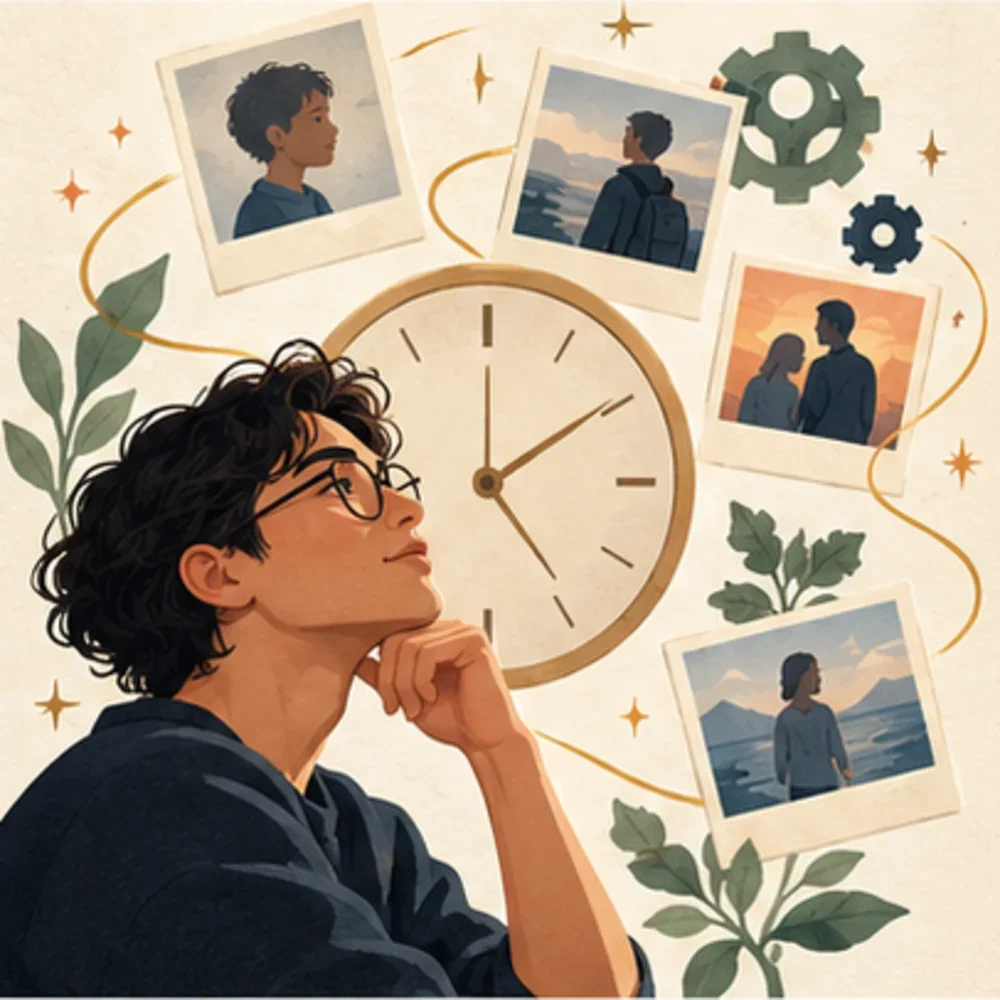
Does your ideal weekend involve a new adventure, a familiar routine, or a little of both? The Mental Age Test is a playful way to explore attitudes to plans, trends, responsibilities, and everyday choices. Approach it as a conversation about preferences rather than a competition to seem younger or older.
The quiz and basic information are free. This version contains 40 questions. Set aside time to read the items, think about your own experience, and choose the closest available response.
A playful age comparison, not a literal age
The quiz uses everyday choices to create an age-themed interpretation. It asks about routines, budgeting, patience, novelty, and similar situations. There is no single age at which everybody becomes cautious, organised, adventurous, or interested in a particular hobby.
An entertainment-style mental age is different from your chronological age, intelligence, or developmental abilities. Someone can enjoy internet trends while being careful with money, or value quiet evenings while remaining curious about new ideas. A mixed set of preferences is ordinary.
What this can look like in everyday life
Two friends choose different Saturday evenings: one joins a busy event and the other cooks at home. That choice might reflect tiredness, money, company, or taste. It does not establish which friend is more mature.
You may experiment enthusiastically with a new app while keeping a very predictable morning routine. Answer each situation separately instead of forcing all your choices into one imagined age group.
How to approach the questions
- Read each statement and the response options carefully; do not assume that every item uses exactly the same wording.
- Use an ordinary example rather than answering only from your best day or your most difficult moment.
- Distinguish what you prefer from what circumstances require you to do. An obligation is not always a preference.
- Choose the closest available answer without trying to steer the outcome toward a label you already expect.
A useful reflection to try
Pick one familiar routine and one new activity you would enjoy trying. Ask what each gives you: rest, excitement, connection, or a sense of control. This can be a useful discussion even if the quiz's age-themed description is different from the age you expected.
Research described by the APA on personality across adulthood shows why age and personality are not interchangeable. That research is background information, not validation of this entertainment quiz.
Common questions
Is a younger result better?
No. The quiz is not a ranking of people. Different preferences can be helpful in different circumstances.
Can my preferences change?
Yes. Roles, experiences, interests, and immediate circumstances can change your choices. Treat the quiz as a snapshot of the answers you give now.
What is available after finishing?
The quiz and basic information are free. If you would like to explore the written interpretation further, an expanded report is available as an optional paid addition.