
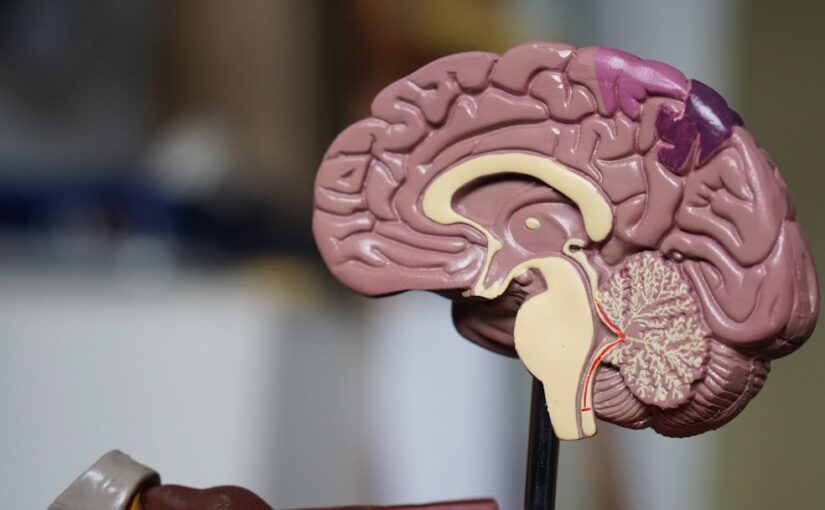
How do Neurotransmitters And ADHD interact, and what will you learn?
In this article you will learn how neurotransmitters influence attention, impulsivity, and hyperactivity; which brain systems are most implicated in Neurotransmitters And ADHD; how common treatments act on those chemicals; and practical implications for management and daily strategies. The focus is evidence-driven and aimed at clinicians, caregivers, and people with ADHD seeking a clear mechanistic picture.
- Key chemicals involved: dopamine, norepinephrine, serotonin, glutamate, and GABA.
- How treatments alter synaptic signaling to improve attention and reduce impulsivity.
- Practical behavioral and lifestyle interventions that complement medication.
What are the key neurotransmitters involved in ADHD?
| Neurotransmitter | Normal role | Observed change in ADHD | Treatments that target it |
|---|---|---|---|
| Dopamine | Motivation, reward processing, attention, executive function | Altered signaling and transporter availability in reward and prefrontal circuits | Stimulants (methylphenidate, amphetamines) increase synaptic dopamine |
| Norepinephrine | Alertness, arousal, focus, modulation of prefrontal cortex | Reduced modulation of attention networks in some individuals | Atomoxetine, some stimulants, and alpha-2 agonists affect norepinephrine |
| Serotonin | Mood regulation, impulse control, emotional reactivity | Variable; implicated in impulse control and comorbid mood symptoms | Not primary target for standard ADHD drugs; relevant when mood symptoms coexist |
| Glutamate | Excitatory signaling, cortical arousal, learning | Altered excitatory-inhibitory balance reported in some studies | Experimental and adjunctive approaches; research ongoing |
| GABA | Inhibitory control, regulation of cortical networks | Possible reduced inhibitory tone in specific circuits | Adjunctive treatments and behavioral interventions aim to normalize balance |
How do dopamine and norepinephrine shape attention, impulsivity, and reward?
Dopamine and norepinephrine are the central players in models that explain core ADHD symptoms. Dopamine regulates reward sensitivity and motivation, which affects sustained effort for tasks without immediate payoff. Norepinephrine supports signal-to-noise processing in the prefrontal cortex, improving focused attention and working memory.
When dopamine signaling is suboptimal, tasks that lack immediate reward feel especially difficult and disengaging. When norepinephrine modulation is weak, filtering distractions and maintaining goal-directed focus becomes harder. Both systems interact: effective attention requires coordinated dopamine-driven motivation and norepinephrine-driven signal stability.
Contemporary neuroimaging and neurochemical studies show that the prefrontal cortex and striatal reward circuits display altered activity and connectivity in many people with ADHD. These changes do not imply a single cause, but they help explain why medications that enhance dopamine and norepinephrine transmission can reduce symptoms.
How do common ADHD medications target neurotransmitters?
Most first-line ADHD medications act on dopamine and norepinephrine pathways to increase synaptic availability or modulate receptor activity. Stimulants are the most commonly prescribed and have faster onset of clinical effect. Non-stimulant medications offer alternative mechanisms and are useful when stimulants are contraindicated or poorly tolerated.
Stimulants: methylphenidate and amphetamines
Methylphenidate primarily blocks dopamine and norepinephrine transporters, reducing reuptake and increasing the amount of these neurotransmitters in the synapse. Amphetamine salts promote release of monoamines and inhibit reuptake, producing stronger increases in extracellular dopamine and norepinephrine.
Both stimulant classes improve attention, reduce hyperactivity, and decrease impulsivity in many patients. Response can vary, so clinicians often adjust dose, formulation, or class to optimize benefits and minimize side effects.
Non-stimulants: atomoxetine, guanfacine, clonidine
Atomoxetine is a selective norepinephrine reuptake inhibitor; it increases norepinephrine in prefrontal regions and may indirectly affect dopamine where norepinephrine transporters normally clear dopamine. Alpha-2 adrenergic agonists such as guanfacine and clonidine act on prefrontal receptors to enhance working memory and reduce hyperactivity and impulsivity for some individuals.
Non-stimulants often take longer to reach full effect, but they are helpful for coexisting anxiety, tics, or when there is concern about stimulant misuse.
What non-pharmacological approaches influence neurotransmitter function and symptom control?
Behavioral therapies, structured routines, physical activity, sleep optimization, and nutrition can modulate neurotransmitter systems indirectly. These strategies improve functioning by enhancing cortical regulation, strengthening compensatory networks, and stabilizing arousal systems linked to norepinephrine and dopamine.
Behavioral interventions and executive coaching
Structured behavioral interventions do not change synaptic chemistry directly, but consistent routines and explicit external supports reduce the demand on impaired neurotransmitter-dependent processes. Executive coaching and skills training teach compensatory strategies for planning, prioritizing, and task initiation.
For concrete strategy examples, see practical guides such as the article on planning for transitions and deadlines with ADHD, which shows how environmental supports reduce cognitive load and reliance on fluctuating neurotransmitter states.
Exercise, sleep, and nutrition
Regular aerobic exercise increases dopamine and norepinephrine availability transiently and promotes neuroplasticity. Good sleep hygiene supports neurotransmitter reset and receptor sensitivity. Dietary factors that support overall brain health, including adequate protein, iron, zinc, and omega-3 fatty acids, can influence monoamine synthesis and function.
While these measures are not substitutes for medication when indicated, they are evidence-based adjuncts that improve outcomes and reduce symptom severity in many people.
How do genetics and environmental exposures interact with neurotransmitter systems to influence ADHD risk?
ADHD is a complex condition with polygenic contributions and meaningful environmental modulation. Genetic variants related to dopamine and norepinephrine signaling are associated with increased risk, but no single gene determines ADHD. Instead, many small-effect variants influence neurotransmitter synthesis, transport, and receptor function.
Environmental factors may affect neurotransmitter systems directly or via developmental processes. For example, prenatal exposures, low birth weight, and some toxins have been linked to altered brain development and increased ADHD risk. For a review of environmental contributors and risk, consult materials that synthesize epidemiological evidence, such as work on environmental toxins and ADHD risk.
Research on gene-by-environment interactions suggests that genetic vulnerability can amplify the effect of environmental stressors on neurotransmitter-sensitive circuits, especially during critical periods of brain maturation.
To explore the environmental risk literature in more detail, see this overview of environmental toxins and ADHD risk, which summarizes current concerns and areas of active research.
What does brain connectivity research reveal about neurotransmitter-related networks in ADHD?
Functional and structural connectivity studies show that ADHD involves altered coordination among networks that rely on dopamine and norepinephrine modulation, notably the default mode network, salience network, and frontoparietal control circuits. These networks underlie attention shifting, suppression of task-irrelevant thoughts, and cognitive control.
Connectivity differences are not uniform across individuals. Some show underconnectivity between prefrontal control regions and striatal reward areas, while others show increased default mode interference during tasks that require focus. These patterns help explain why symptom profiles and treatment responses vary widely.
If you want a focused discussion on how connectivity patterns relate to clinical features, read targeted summaries such as the piece on brain connectivity patterns in ADHD, which links imaging findings to behavior and treatment implications.
How should clinicians and caregivers translate neurotransmitter science into practical management?
Understanding neurotransmitters helps prioritize choices: when symptoms center on inattention and poor sustained effort, treatments that increase dopamine and norepinephrine are often effective. When impulsivity and emotional dysregulation are prominent, selecting agents with complementary mechanisms or adding behavioral strategies may be prudent.
Assessment should be comprehensive, including symptom history, comorbid conditions, sleep, substance use, medication history, and environmental stressors. Treatment plans work best when medication, behavioral interventions, school supports, and lifestyle changes are coordinated to reduce the demand on impaired neurotransmitter-dependent processes.
Monitoring and dose adjustment
Clinical response and side effects provide the best real-world data about how an individual’s neurotransmitter systems respond to medication. Start with evidence-based dosing ranges, use systematic symptom and side effect checklists, and adjust gradually. Objective measures such as performance tasks or teacher reports can help monitor changes in attention and executive function.
Examples and expert-backed context
Example 1: A school-aged child with classic inattentive symptoms and difficulty sustaining effort often responds to stimulant medications that enhance dopamine and norepinephrine. Behavioral supports such as task segmentation and immediate reinforcement reduce reliance on intrinsic reward signaling and improve academic engagement.
Example 2: An adolescent with ADHD and comorbid anxiety may tolerate atomoxetine better than stimulants, because it targets norepinephrine and carries less stimulant-related arousal. Alpha-2 agonists are another option when tics or sleep disturbance complicate stimulant use.
Expert-backed context: Major mental health authorities describe ADHD as a neurodevelopmental condition with multiple contributing factors and altered brain systems. For a concise overview from a high-trust authority about ADHD’s nature and treatment approaches, see the National Institute of Mental Health explanation of ADHD.
(Source: NIMH overview of ADHD.)
How should parents and adults prioritize next steps based on neurotransmitter insights?
Step 1: Obtain a careful clinical assessment to determine symptom pattern, severity, and comorbidities. This assessment helps identify which neurotransmitter systems and circuits are most likely contributing to functional impairment.
Step 2: Discuss evidence-based medication options if symptoms are moderate to severe and impairing. Consider stimulants for rapid symptom improvement; discuss non-stimulant alternatives and potential side effects. Remember that medication is one part of a multimodal plan.
Step 3: Implement behavioral and environmental supports immediately. Techniques that reduce cognitive load and create external structure often yield functional improvements while medication effects are adjusted.
FAQ
What neurotransmitter changes are most consistently linked to ADHD?
Research most consistently implicates dopamine and norepinephrine dysregulation in circuits supporting attention and reward processing. Other systems such as serotonin, glutamate, and GABA may contribute depending on individual differences and comorbid conditions.
Do ADHD medications correct neurotransmitter imbalances permanently?
No. Medications modify neurotransmitter signaling while they are active in the system. Long-term benefits often depend on continued treatment combined with behavioral and environmental strategies that support function.
Can diet or supplements normalize neurotransmitter function in ADHD?
Some nutritional factors support neurotransmitter synthesis, and supplements such as omega-3 fatty acids show modest benefits in some studies. They are adjunctive; evidence does not support dietary changes as primary treatment for moderate to severe ADHD.
Is imaging required to diagnose neurotransmitter issues in ADHD?
No. Diagnosis relies on clinical history and standardized symptom criteria. Neuroimaging and specialized neurochemical tests are used in research and occasionally to rule out other neurological conditions, but not for routine diagnosis.
Will treating sleep problems improve neurotransmitter-related symptoms?
Yes. Improving sleep often enhances attention, emotional regulation, and daytime arousal, which reduces symptom burden and improves medication response when used.
Next practical step: If you suspect ADHD, arrange a structured clinical assessment that considers symptom pattern, functional impairment, sleep, and any coexisting conditions. Use the neurotransmitter framework to inform questions about symptom triggers and response to previous treatments, and develop a multimodal plan that combines medication when appropriate with behavioral supports and lifestyle adjustments.
- National Institute of Mental Health. Attention-Deficit/Hyperactivity Disorder.
- Centers for Disease Control and Prevention. Attention-Deficit / Hyperactivity Disorder (ADHD).
- World Health Organization. Attention-deficit hyperactivity disorder (ADHD) fact sheet.
- American Psychiatric Association. Diagnostic and Statistical Manual of Mental Disorders, Fifth Edition (DSM-5). Arlington, VA: American Psychiatric Association; 2013.
- MedlinePlus. Attention-Deficit/Hyperactivity Disorder.