
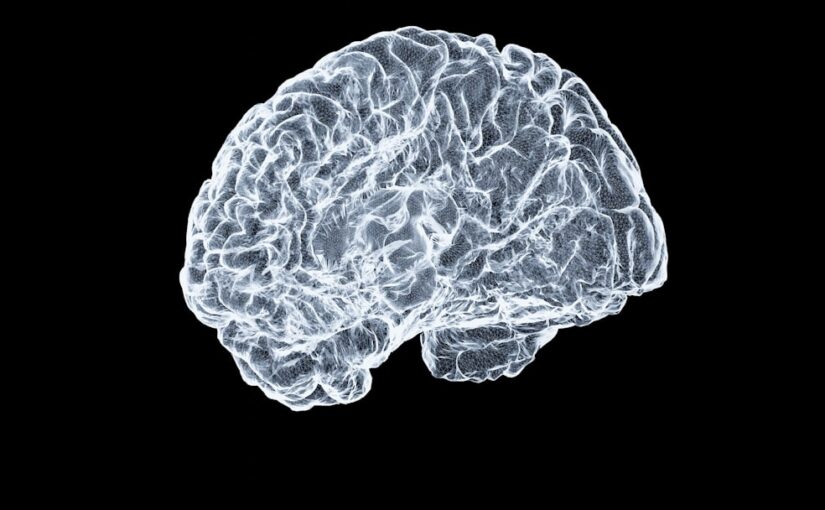
What will you learn about Brain Connectivity Patterns In ADHD?
This article explains key brain connectivity patterns in ADHD, how researchers measure them, how they relate to symptoms, and what this means for assessment and treatment. You will learn which large-scale neural networks are most consistently implicated, how connectivity differences map to everyday challenges, and practical ways clinicians and families can use this knowledge.
- Key networks linked to ADHD: default mode, fronto-parietal, salience, and attention networks
- How functional and structural connectivity are measured and interpreted
- Evidence-based implications for diagnosis, medication, and behavioral interventions
What are the main brain networks and connectivity patterns observed in ADHD?
| Network or Measure | Common Findings in ADHD | Associated Symptoms or Functions | Clinical Relevance |
|---|---|---|---|
| Default Mode Network (DMN) | Altered connectivity and reduced suppression during tasks | Mind wandering, inattention, task disengagement | Relates to lapses in attention and variability in performance |
| Fronto-parietal / Executive Control Network | Weaker integration with other control systems | Poor working memory, planning, sustained attention | Linked to executive dysfunction targeted by therapy and medication |
| Dorsal Attention Network (DAN) | Reduced connectivity or coordination with control networks | Problems with orienting attention and goal-directed focus | Helps explain stimulus-driven distractibility |
| Salience Network | Altered switching between internal and external attention | Difficulty shifting focus, over- or under-reactivity to stimuli | Relevant to interventions that train flexible attention shifting |
| Structural Connectivity (white matter) | Regional differences in white matter tracts, variable by age | Processing speed, connectivity efficiency, developmental delay | May predict response to stimulant medication and development |
Research has converged on the idea that ADHD is not caused by a single brain region but by altered organization and communication across large-scale networks. Differences in how the default mode network interacts with control and attention networks are particularly robust. These patterns vary with age, symptom profile, and coexisting conditions.
How do connectivity differences translate into the symptoms people notice every day?
Connectivity patterns provide a bridge between brain physiology and observable behavior. When control networks fail to suppress the default mode network during demanding tasks, children and adults with ADHD often show lapses in attention, inconsistent task performance, and increased distractibility. This neural signature helps explain why people with ADHD may appear capable one moment and disengaged the next.
Altered coordination between the salience network and attention systems may reduce the ability to switch efficiently from internal thoughts to external tasks, contributing to procrastination and task initiation problems. If you want to read more about common task initiation difficulties and strategies, see research and practical advice on task initiation problems in ADHD.
Examples of symptom mapping
Executive control network under-connectivity maps to difficulties with planning, working memory, and sustained effort. DMN intrusion during tasks maps to mind wandering and inconsistent academic performance, which can contribute to long-term issues such as chronic underachievement. For strategies to address long-term academic outcomes, see resources on chronic underachievement patterns in ADHD.
How are brain connectivity patterns measured and interpreted in ADHD research?
Researchers use several neuroimaging and analysis methods to assess connectivity. Resting-state functional magnetic resonance imaging, or resting-state fMRI, measures spontaneous correlations between brain regions when a person is not performing a task. Task-based fMRI looks at connectivity changes during specific cognitive demands. Diffusion tensor imaging, a form of MRI, maps white matter tracts that reflect structural connectivity. Graph theory and network analyses describe properties like modularity, centrality, and efficiency.
Key measurement considerations
Resting-state methods are sensitive to motion, which is important because hyperactivity can increase movement artifacts. Analysts use rigorous preprocessing to reduce noise and correct motion. Studies also differ in age ranges, clinical definitions, and whether they examine subtypes or comorbidities, and these factors affect findings.
What a typical study reports
Most studies describe whether networks show reduced or increased connectivity relative to comparison groups, and whether altered network interactions correlate with symptom severity, neuropsychological test scores, or treatment response. Meta-analyses summarize consistent patterns across many studies to reduce the chance of false positives from small samples.
Can treatments change brain connectivity in ADHD and what evidence supports that?
Yes, several treatments are associated with changes in brain connectivity, although effects vary by treatment type, age, and measurement timing. Stimulant medications often normalize some connectivity patterns, especially in networks supporting attention and control. Behavioral interventions, cognitive training, and neurofeedback have shown more variable results but can also influence functional connectivity in targeted networks.
Randomized controlled trials and longitudinal imaging studies provide the strongest evidence that treatment can modulate network communication. Clinicians interpret these changes together with behavioral outcomes because altered connectivity alone does not define treatment success without improvements in functioning.
Medication effects
Stimulants tend to increase task-related engagement of frontal and parietal regions and reduce inappropriate DMN activation during tasks. Imaging studies that compare pre- and post-medication scans often report improved coordination among control networks, although individual responses vary.
Non-pharmacological approaches
Behavioral therapies can strengthen executive skills and change functional activation patterns during tasks that require self-regulation. Emerging neuromodulation and neurofeedback approaches target specific networks, but more high-quality trials are needed to establish reliable clinical effects.
How can knowledge of connectivity patterns guide clinical assessment and personalized care?
Connectivity data are not yet a clinical diagnostic test, but they help clinicians and researchers refine models of ADHD heterogeneity and predict which interventions may work best for particular profiles. For example, a child with pronounced executive control deficits and weak fronto-parietal connectivity may benefit from interventions that explicitly train working memory and planning, alongside medication when indicated.
Schools and families can use this information to prioritize interventions that target attention consistency, task initiation, and environmental supports. Practical changes in the environment often complement clinical treatments; for instance, organizing physical spaces and routines reduces daily friction. See suggestions for organizing home spaces for ADHD for practical adaptations that align with network-level challenges.
Translational examples
1) A teenager with pronounced mind wandering may receive stimulant medication that improves task-related suppression of the DMN, plus coaching to break work into shorter segments. 2) A child with executive dysfunction might receive structured skill-building, classroom accommodations, and parent training to shape consistent routines.
What do developmental and heterogeneity considerations mean for interpreting connectivity findings?
Connectivity patterns change across development. Some findings that look like reduced connectivity in children may reflect delayed maturation rather than permanent deficits. ADHD is heterogeneous; different individuals show distinct connectivity signatures. Comorbid disorders such as anxiety, mood disorders, or learning disabilities further alter network patterns.
Researchers therefore emphasize longitudinal studies that track network development and symptom course, and studies that subgroup participants by cognitive profile rather than diagnosing only by categorical labels.
How robust is the evidence linking connectivity patterns to ADHD diagnosis and prognosis?
Meta-analyses and large multisite studies have identified consistent signals, particularly involving the default mode and control networks. However, effect sizes vary and single-subject diagnostic classification based solely on connectivity is not yet reliable for routine clinical use. The most robust evidence supports using connectivity as a research tool that informs mechanisms and helps predict treatment response in combination with clinical and cognitive measures.
Expert-backed context and examples
A comprehensive meta-analysis of functional neuroimaging studies summarized consistent patterns of altered activation and connectivity across many samples, supporting a systems-level view of ADHD. Large, multi-center datasets and standardized preprocessing pipelines are improving reproducibility and helping to identify subtypes that may be clinically meaningful.
What practical strategies can clinicians, educators, and families use that align with connectivity research?
Interventions should target the cognitive functions that map to impaired network communication. Practical steps include structured routines, external cues to reduce reliance on self-initiation, environmental modifications to reduce distractions, and skills training for working memory and planning. Medication, when appropriate, can be combined with these strategies to improve network engagement during demanding tasks.
If daily life organization is a core difficulty, practical environmental changes can make a major difference. For hands-on tips and room-level strategies, see guidance on organizing home spaces for ADHD.
Examples of targeted strategies
– Break tasks into short, concrete steps to reduce the burden on initiation and sustained attention.
– Use timers and external reminders to cue transitions when the salience and attention networks struggle to switch focus.
– Teach and rehearse self-monitoring strategies that scaffold executive control until neural networks can more reliably support those functions.
What are current limitations and key research directions for connectivity studies in ADHD?
Limitations include small sample sizes in earlier studies, heterogeneity of clinical samples, head motion confounds, and differences in imaging and analysis methods. Key research directions include harmonizing methods across sites, developing larger longitudinal cohorts, integrating multimodal imaging with genetics and behavioral data, and translating network findings into practical biomarkers that improve individualized care.
Emerging technologies
Advanced analytic methods, including machine learning and multimodal network models, aim to capture complex interactions across networks and predict outcomes. These approaches require carefully curated large datasets and transparent reporting to avoid overfitting and ensure clinical relevance.
How should parents and clinicians interpret brain connectivity findings in everyday practice?
Connectivity findings are best viewed as one piece of the clinical puzzle. They offer mechanistic insight into why certain symptoms emerge and suggest directions for personalized interventions. Clinicians should continue to rely on thorough clinical assessment, validated symptom measures, and functional outcomes to guide treatment decisions, using connectivity data as complementary information when available through research collaborations or specialty centers.
FAQ
Can a brain scan diagnose ADHD by showing connectivity differences?
No. Brain imaging can reveal group-level connectivity patterns associated with ADHD, but it cannot reliably diagnose an individual. Diagnosis remains clinical, based on symptom history, behavioral assessment, and developmental context.
Do stimulant medications change brain connectivity in ADHD?
Yes. Multiple studies report that stimulant medication can modulate connectivity, often increasing task-related engagement of control networks and reducing inappropriate default mode intrusion. Changes correlate with clinical improvements in some studies.
Are connectivity patterns the same for all people with ADHD?
No. ADHD is heterogeneous. Connectivity patterns vary by age, symptom type, comorbidities, and individual neurodevelopmental trajectories, which is why personalized treatment planning matters.
Can lifestyle changes or therapies alter brain networks?
Behavioral therapies, skills training, and structured routines can influence functional activation and connectivity, especially when combined with educational and environmental supports. Evidence is growing but varies by intervention type.
Practical next steps for readers
If you are a clinician, consider how knowledge of network-level dysfunction might refine your assessment and inform combined treatment plans. If you are a parent or educator, focus on targeted supports that reduce initiation barriers, scaffold executive skills, and create predictable routines. For clinicians and families interested in reading accessible, authoritative information about ADHD and treatment options, consult the National Institute of Mental Health overview of ADHD for up-to-date guidance.
For practical in-home adaptations, start with one small environmental change, test it for a week, and monitor whether task initiation and sustained attention improve. If symptoms significantly impair functioning, pursue a comprehensive clinical evaluation that integrates behavioral assessment with any available specialist input on neurodevelopmental profiles.
Bibliography
- Cortese S, Kelly C, Chabernaud C, et al. Toward systems neuroscience of ADHD: a meta-analysis of 55 fMRI studies. American Journal of Psychiatry. 2012;169(10):1038-1055.
- American Psychiatric Association. Diagnostic and Statistical Manual of Mental Disorders, Fifth Edition (DSM-5). Washington, DC; 2013.
- National Institute of Mental Health. Attention-Deficit/Hyperactivity Disorder. National Institute of Mental Health; resource overview and research updates.
- Centers for Disease Control and Prevention. Data and statistics about ADHD. CDC; information on prevalence, diagnosis, and public health context.
Internal resources referenced in the article: Chronic Underachievement Patterns In ADHD, Organizing Home Spaces For ADHD, and Task Initiation Problems In ADHD.