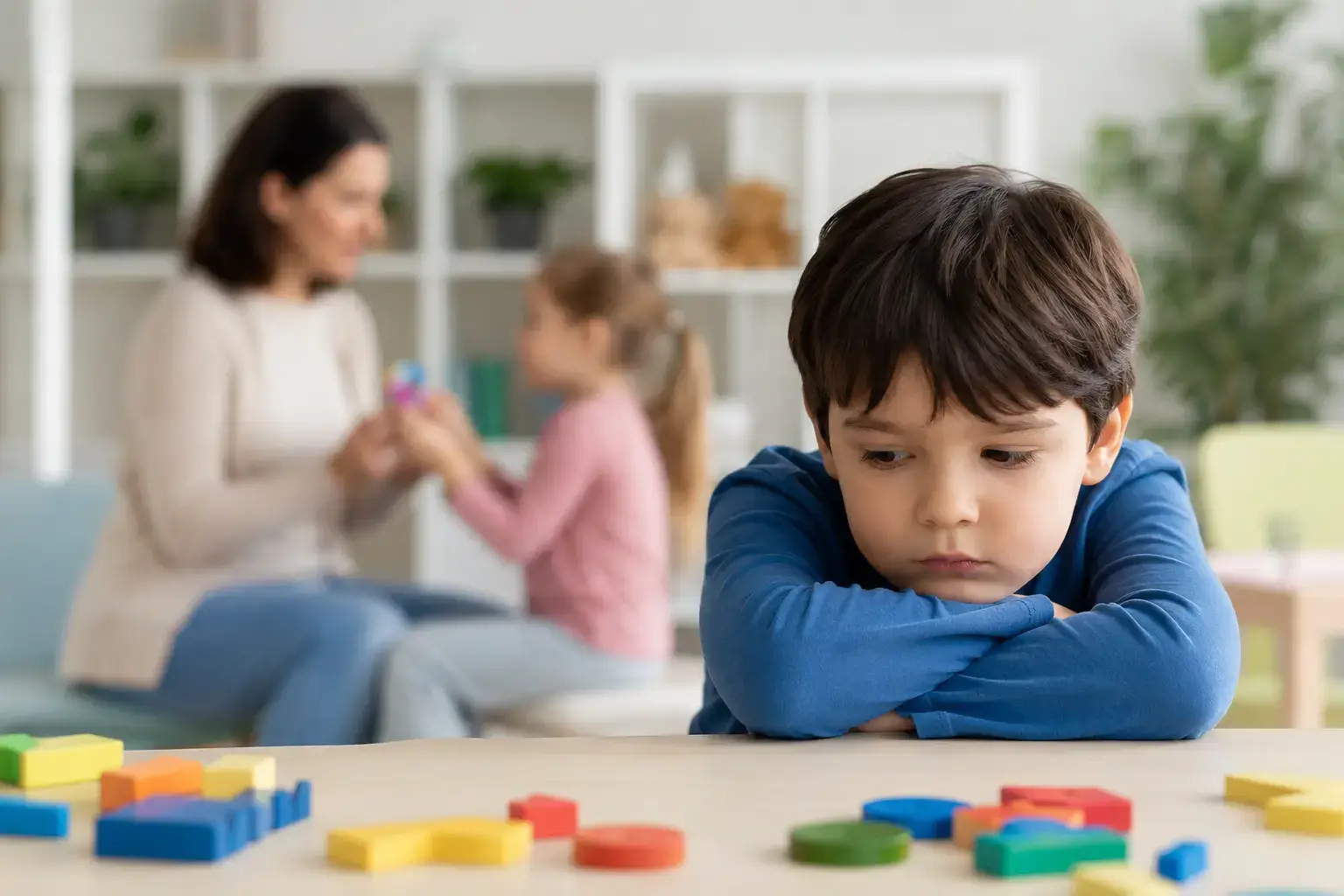
What Are 12 Signs of Autism?
Autism Spectrum Disorder (ASD) is a neurodevelopmental condition that affects how a person communicates, interacts socially, processes information, and experiences the world. Autism exists on a spectrum, meaning symptoms and support needs can vary significantly from one person to another.
Recognizing the signs of autism early can help children and adults receive appropriate support, therapies, educational accommodations, and social understanding. While autism is often diagnosed in childhood, many people - especially women and individuals with mild symptoms - may not receive a diagnosis until adolescence or adulthood.
In this article, we will explore 12 common signs of autism, explain how autism symptoms may appear differently across ages, and discuss when to seek professional evaluation.
What Is Autism Spectrum Disorder (ASD)?
Autism Spectrum Disorder is a lifelong developmental condition characterized by differences in communication, social interaction, sensory processing, and behavior. According to the diagnostic criteria outlined in the DSM-5 (Diagnostic and Statistical Manual of Mental Disorders), autism primarily involves:
- Persistent challenges in social communication and interaction
- Restricted or repetitive behaviors, interests, or activities
- Symptoms present from early childhood
- Functional impact on daily life
Autism is not a disease that needs to be “cured.” Many autistic individuals view autism as a natural variation of human neurodiversity rather than a disorder.
12 Common Signs of Autism
1. Difficulty With Social Interaction
One of the most recognized signs of autism is difficulty understanding or engaging in typical social interactions.
This may include:
- Avoiding eye contact
- Difficulty starting conversations
- Limited interest in peer relationships
- Trouble interpreting social cues
- Appearing socially withdrawn
Some autistic people want friendships but may struggle with the unwritten rules of social communication.
2. Delayed Speech or Language Development
Many autistic children experience delays in speech development. Some may:
- Speak later than expected
- Use fewer words
- Repeat phrases without understanding context
- Have unusual speech patterns or tone
However, not all autistic individuals have language delays. Some develop advanced vocabularies at an early age.
3. Repetitive Behaviors
Repetitive actions, often called “stimming” (self-stimulatory behavior), are common in autism.
Examples include:
- Hand flapping
- Rocking back and forth
- Repeating sounds or words
- Spinning objects
- Repeated body movements
These behaviors can help regulate emotions, reduce anxiety, or provide sensory comfort.
4. Intense or Highly Focused Interests
Autistic individuals often develop deep interests in specific topics.
These interests may involve:
- Memorizing facts
- Spending extensive time on one subject
- Becoming highly knowledgeable in niche areas
Common focused interests include:
- Trains
- Numbers
- Maps
- Technology
- Animals
- Astronomy
- Video games
Focused interests can become strengths and even lead to successful careers.
5. Sensory Sensitivities
Many autistic people experience unusual sensory processing.
This can involve hypersensitivity or hyposensitivity to:
- Sounds
- Lights
- Textures
- Smells
- Temperature
- Taste
For example, certain fabrics may feel unbearable, or everyday noises may feel overwhelming.
Sensory overload can lead to distress, anxiety, or shutdowns.
6. Preference for Routine
Autistic individuals often prefer predictability and structure.
Changes in routine may cause:
- Anxiety
- Stress
- Emotional outbursts
- Difficulty adapting
Examples include:
- Eating the same foods
- Following strict schedules
- Distress over unexpected changes
Routine can provide emotional stability and reduce uncertainty.
7. Difficulty Understanding Emotions
Some autistic individuals may struggle to:
- Recognize facial expressions
- Understand sarcasm
- Interpret tone of voice
- Read body language
This does not mean autistic people lack empathy. In many cases, autistic individuals experience deep emotions but communicate or interpret them differently.
8. Limited Eye Contact
Avoiding or reducing eye contact is another common sign of autism.
For some autistic people, eye contact may feel:
- Uncomfortable
- Distracting
- Intense
- Sensory overwhelming
Eye contact differences alone do not confirm autism, but they are commonly observed alongside other symptoms.
9. Challenges With Nonverbal Communication
Autistic individuals may communicate differently through body language and gestures.
Examples include:
- Limited facial expressions
- Difficulty using gestures
- Unusual posture or movement
- Trouble interpreting others’ expressions
Communication differences can vary widely between individuals.
10. Emotional Regulation Difficulties
Autism can affect emotional regulation.
This may appear as:
- Meltdowns
- Shutdowns
- Difficulty calming down
- Strong emotional reactions
Meltdowns are not tantrums. They are often responses to overwhelming stress, sensory overload, or communication difficulties.
11. Unusual Play Patterns in Children
Young autistic children may play differently than peers.
Examples include:
- Lining up toys repeatedly
- Focusing on parts of objects
- Limited pretend play
- Repetitive play behaviors
Some children may prefer independent play rather than group interaction.
12. Difficulty With Change or Transitions
Transitions can be particularly difficult for autistic individuals.
Challenges may occur when:
- Moving between activities
- Starting something new
- Changing environments
- Adjusting plans unexpectedly
Preparation, visual schedules, and clear communication often help reduce transition stress.
Autism Symptoms in Adults
Autism in adults can sometimes go unnoticed, especially in individuals with subtle traits or strong masking behaviors.
Adult signs of autism may include:
- Social exhaustion after interactions
- Difficulty maintaining relationships
- Feeling “different” from others
- Sensory overwhelm in crowded places
- Strong need for routines
- Intense interests
- Burnout from masking behaviors
Many adults discover they are autistic later in life after years of feeling misunderstood.
Autism in Women and Girls
Autism may present differently in females.
Girls and women often:
- Mask symptoms socially
- Mimic peers to fit in
- Develop socially acceptable interests
- Internalize anxiety and stress
Because of this, autism in females is historically underdiagnosed.
When Should You Seek an Autism Evaluation?
You should consider speaking with a healthcare professional if:
- Multiple autism signs are present
- Social or communication difficulties interfere with daily life
- Sensory sensitivities are severe
- Developmental milestones are delayed
- Emotional regulation problems are persistent
Diagnosis is typically performed by:
- Psychologists
- Psychiatrists
- Developmental pediatricians
- Neurologists
- Autism specialists
Early support can significantly improve quality of life and adaptive functioning.
Can Autism Be Treated?
Autism is not something that needs to be “fixed,” but support strategies can help individuals thrive.
Common support approaches include:
- Speech therapy
- Occupational therapy
- Social skills support
- Educational accommodations
- Sensory integration strategies
- Cognitive behavioral therapy (CBT)
Support should focus on improving well-being, independence, communication, and self-understanding.
Final Thoughts
Understanding the signs of autism can help promote earlier recognition, greater empathy, and better support for autistic individuals. Autism presents differently in every person, and no two autistic individuals are exactly alike.
If you recognize several of these signs in yourself, your child, or someone close to you, a professional evaluation may provide valuable insight and guidance.
Autism is part of human neurodiversity, and many autistic people lead fulfilling, successful, and meaningful lives when supported and understood.
Frequently Asked Questions (FAQ)
What are the first signs of autism in a child?
Early signs may include delayed speech, reduced eye contact, repetitive behaviors, sensory sensitivities, and difficulty with social interaction.
Can adults be autistic without knowing it?
Yes. Many adults- especially women - receive autism diagnoses later in life after years of masking symptoms.
Is autism genetic?
Research suggests autism has a strong genetic component, though environmental and developmental factors may also contribute.
Do autistic people lack empathy?
No. Many autistic individuals experience strong empathy but may express or interpret emotions differently.
Can autism symptoms improve over time?
With support, self-awareness, and accommodations, many autistic individuals develop effective coping and communication skills.