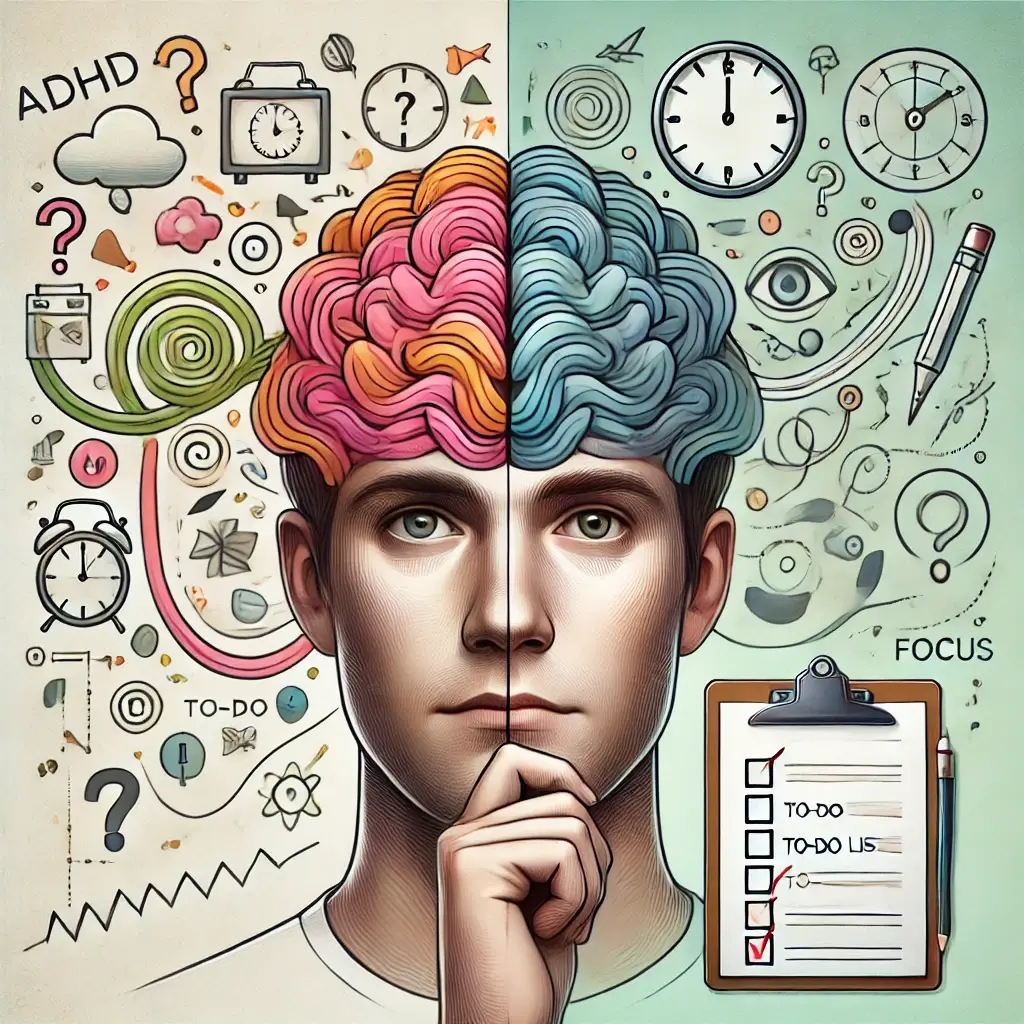
Symptoms of ADHD - Early symptoms of ADHD
Attention-Deficit/Hyperactivity Disorder (ADHD) is a common neurodevelopmental disorder that manifests through a combination of persistent inattention, hyperactivity, and impulsivity. The symptoms can vary widely among individuals and can significantly impact daily functioning, including academic, occupational, and social aspects of life. This article will explore the symptoms of ADHD in detail, providing a comprehensive understanding of the disorder and its implications.
Diagnostic Criteria for ADHD
According to the Diagnostic and Statistical Manual of Mental Disorders (DSM-5), ADHD symptoms are categorized into two primary domains: inattention and hyperactivity-impulsivity. To meet the criteria for diagnosis, symptoms must be present for at least six months, be inconsistent with the developmental level of the individual, and cause functional impairment in multiple settings (e.g., home, school, or work).
Symptoms of Inattention
-
Difficulty Sustaining Attention: Individuals may struggle to maintain focus on tasks or play activities. This can manifest in the classroom, where a child might daydream rather than pay attention to the teacher.
-
Careless Mistakes: ADHD can result in frequent mistakes in schoolwork or other activities due to a lack of attention to detail.
-
Organization Problems: People with ADHD often find it challenging to organize tasks and activities, which can hinder their ability to complete school assignments or manage responsibilities at work.
-
Avoidance of Sustained Effort: Those with ADHD may avoid tasks that require prolonged mental effort, leading to procrastination and incomplete assignments.
-
Loss of Necessary Items: Individuals frequently misplace items needed for tasks and activities, such as homework, textbooks, or personal belongings.
-
Easily Distracted: External stimuli can quickly draw the attention of someone with ADHD, making it difficult to concentrate.
-
Forgetfulness: People with ADHD often forget daily activities, such as running errands, completing chores, or keeping appointments.
Symptoms of Hyperactivity-Impulsivity
-
Fidgeting: Children and adults with ADHD often fidget or tap their hands or feet, making it difficult to remain seated, particularly in calm or quiet settings.
-
Inability to Stay Seated: In situations where it is expected to sit still—such as in class or during meetings—individuals may get up frequently.
-
Running or Climbing: Particularly in children, hyperactivity may manifest as excessive running or climbing in inappropriate situations.
-
Difficulty Playing Quietly: Those with ADHD can struggle to engage in leisure activities quietly, often being loud and disruptive.
-
Excessive Talking: Individuals may talk excessively, interrupt others, or monopolize conversations.
-
Impulsive Decisions: Impulsivity can lead to hasty actions without considering the consequences, which can manifest in risky behaviors.
-
Interrupting Others: Individuals may struggle with waiting for their turn in conversations or games, often intruding on others' activities.
Impact of Symptoms
The symptoms of ADHD can lead to significant challenges in various areas of life. Children may face academic difficulties, strained relationships with peers and family, and low self-esteem. Adults may encounter job performance challenges, relationship issues, and difficulties managing daily responsibilities. Recognizing the multifaceted nature of ADHD symptoms is vital for understanding the disorder's impact.
Co-occurring Conditions
ADHD often coexists with other mental health disorders such as anxiety disorders, depression, learning disabilities, and oppositional defiant disorder (ODD). These comorbid conditions can complicate diagnosis and treatment and may require additional strategies for effective management.
Conclusion
Understanding the symptoms of ADHD is crucial for early diagnosis and intervention. Recognizing the various manifestations of inattention and hyperactivity/impulsivity can help parents, educators, and mental health professionals provide timely support to individuals with ADHD. While ADHD can pose significant challenges, appropriate intervention and management strategies can lead to meaningful improvements in functioning and quality of life.
Recommended Reading
-
"Driven to Distraction: Recognizing and Coping with Attention Deficit Disorder from Childhood Through Adulthood" by Edward M. Hallowell and John J. Ratey - This book offers insights into both the challenges and strengths associated with ADHD.
-
"Taking Charge of Adult ADHD" by Russell A. Barkley - A comprehensive guide focused on the symptoms, diagnosis, and treatment of ADHD in adults.
-
"The ADHD Effect on Marriage: Understand and Rebuild Your Marriage in Six Steps" by Melissa Orlov - This work discusses how ADHD can affect relationships and offers strategies for improvement.
-
"Smart but Stuck: Emotions in Teens and Adults with ADHD" by Thomas E. Brown - A compelling exploration of emotional regulation in individuals with ADHD.
-
"ADHD 2.0: New Science and Essential Strategies for Thriving with Distraction–From Childhood Through Adulthood" by Edward M. Hallowell and John J. Ratey - An updated perspective that integrates new research findings related to ADHD.