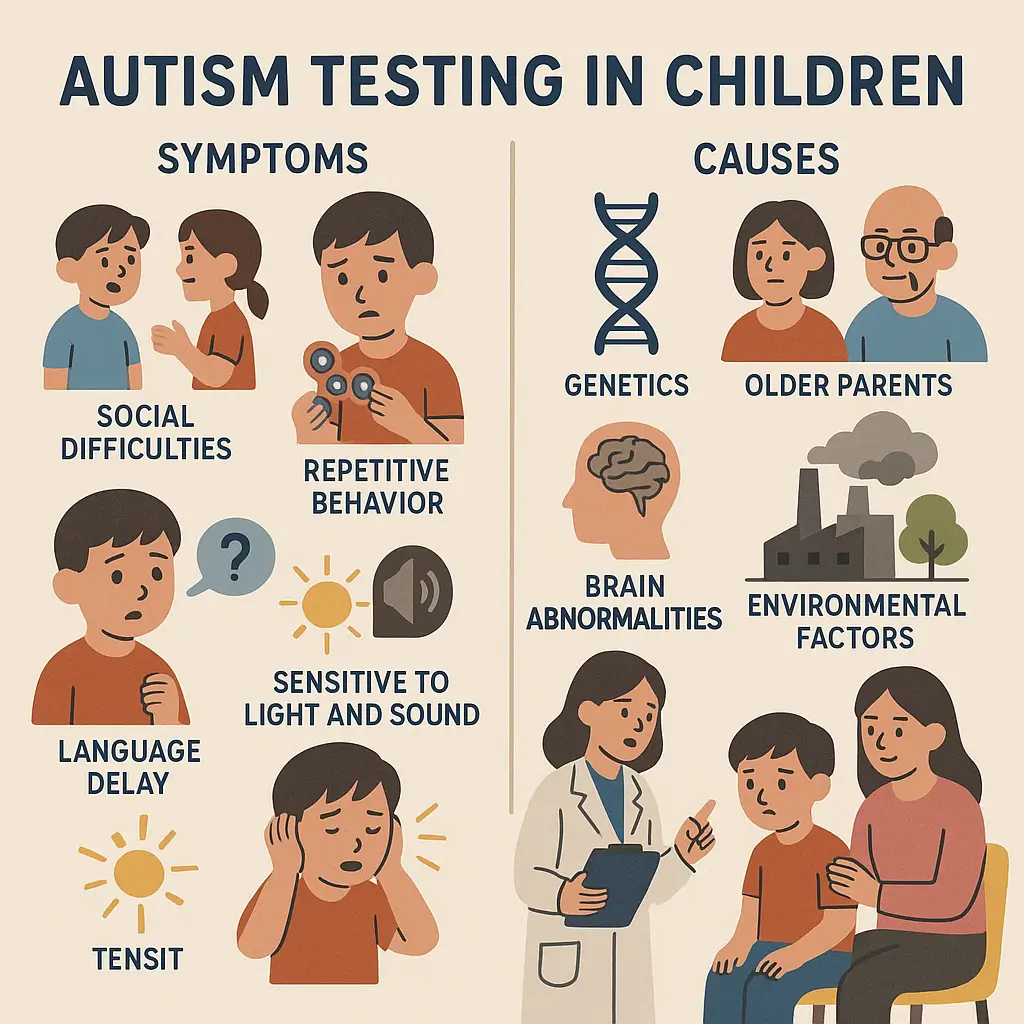
Autism Testing in Children: Symptoms and Causes of Autism
Introduction
Autism Spectrum Disorder (ASD) is a complex neurodevelopmental condition that affects how children perceive the world, communicate, and interact with others. Early detection and intervention are vital for improving outcomes, making autism testing in children an essential focus for parents, educators, and healthcare providers. This article explores the symptoms and causes of autism in children, along with options for testing and diagnosis.
Understanding Autism in Children
What is Autism?
Autism is a developmental disorder characterized by challenges in social interaction, communication, and repetitive behaviors. The symptoms range from mild to severe, and they can vary widely among affected individuals. ASD typically manifests in early childhood, with many signs observable before the age of three.
Prevalence of Autism
According to the Centers for Disease Control and Prevention (CDC), approximately 1 in 44 children in the United States is diagnosed with autism. Awareness of autism has significantly increased in recent years, which has led to better diagnostic practices and support for affected families.
Symptoms of Autism in Children
Recognizing the signs of autism is crucial for early diagnosis and intervention. Common symptoms include:
-
Communication Difficulties:
- Delay or absence of speech.
- Difficulty understanding verbal or non-verbal cues.
- Limited use of gestures or meaningful expressions to convey feelings.
-
Social Interaction Challenges:
- Difficulty engaging in imaginative play.
- Limited interest in sharing experiences or feelings.
- Trouble making eye contact and understanding social conventions.
-
Repetitive Behaviors:
- Engaging in repetitive movements, such as hand-flapping or rocking.
- Rigid adherence to routines or rituals.
- Intense focus on specific interests or topics.
-
Sensory Sensitivities:
- Overreaction or underreaction to sensory stimuli such as lights, sounds, or textures.
- A tendency to avoid certain sensory experiences.
Additional Signs
Other signs that may indicate autism include:
- Lack of interest in peers.
- Difficulty adjusting to changes in routines.
- Unusual responses to emotional situations.
Causes of Autism in Children
The exact causes of autism are still under investigation, but research indicates a combination of genetic and environmental factors contributes to its development:
-
Genetic Influences: Certain genetic mutations may increase susceptibility to autism. Family history of autism or other developmental disorders also plays a role.
-
Prenatal Factors: Factors affecting the mother during pregnancy, such as infections, exposure to toxins, or complications during birth, can influence the risk of developing autism.
-
Neurobiological Factors: Differences in brain structure and function have been observed in individuals with autism, which may impact behavior and communication.
-
Environmental Factors: Ongoing research is exploring how various environmental factors, such as air pollution and prenatal vitamin deficiencies, could influence the development of autism.
Autism Testing in Children
When to Seek Testing
If you notice any signs of autism in your child, it is important to seek a professional evaluation. Early diagnosis can lead to timely interventions that substantially improve outcomes. Parents should consider testing if their child exhibits:
- Delayed speech or language skills.
- Difficulty in social interactions.
- Repetitive behaviors or restricted interests.
Diagnostic Process
The diagnostic process for autism typically involves a comprehensive evaluation, which may include:
-
Developmental Screening: Pediatricians often conduct routine screenings during well-child visits. Tools such as the Modified Checklist for Autism in Toddlers (M-CHAT) can help identify potential concerns.
-
Comprehensive Evaluation: If developmental screening indicates a concern, a more in-depth assessment is carried out, which may include:
- Interviews with parents and caregivers.
- Observational assessments of the child's behavior.
- Standardized tests to evaluate cognitive and language skills.
-
Multidisciplinary Team Approach: Diagnosing autism often requires a team of specialists, including pediatricians, child psychologists, and speech-language therapists.
Importance of Early Intervention
Early intervention is critical for children diagnosed with autism. Evidence-based therapies, such as Applied Behavior Analysis (ABA), speech therapy, and occupational therapy, can help children improve social, communication, and daily living skills.
Conclusion
Understanding the symptoms and causes of autism in children is essential for parents and caregivers. Early testing and intervention are crucial for improving outcomes for children with autism. By recognizing symptoms and seeking professional guidance, families can provide the support necessary for their child's development.
SEO Keywords
- Autism testing in children
- Symptoms of autism in children
- Causes of autism
- Early signs of autism
- Autism diagnosis
- Autism intervention
- Autism spectrum disorder
By keeping informed and utilizing available resources, families can actively participate in their child's development and foster a more inclusive and supportive environment for those affected by autism.