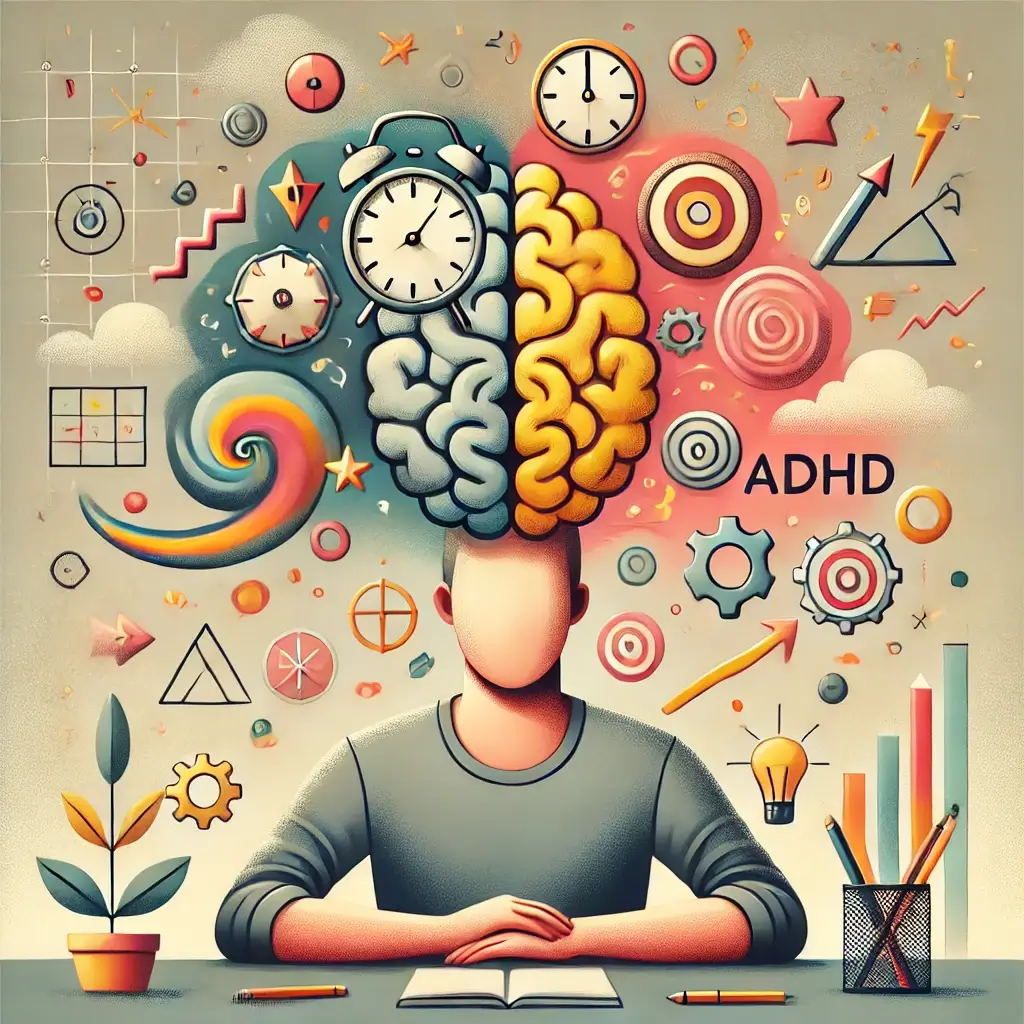
Understanding ADHD
Attention-Deficit/Hyperactivity Disorder (ADHD) is a neurodevelopmental disorder that affects millions of children and often persists into adulthood. This article aims to provide an extensive overview of ADHD, discussing its symptoms, causes, treatment options, coping strategies, and a historical outline of the disorder.
Historical Background
The understanding of ADHD has evolved significantly since it was first recognized. Although symptoms resembling ADHD have been documented for centuries, the term "Attention Deficit Disorder" was first introduced in the 1980s. In 1994, the American Psychiatric Association (APA) adapted the terminology to "Attention-Deficit/Hyperactivity Disorder," reflecting a broader understanding of the disorder's characteristics. Various diagnostic criteria have been established over the years, primarily through iterations of the Diagnostic and Statistical Manual of Mental Disorders (DSM).
Symptoms of ADHD
ADHD is typically characterized by two primary symptom categories: inattention and hyperactivity-impulsivity.
-
Inattention Symptoms:
- Difficulty sustaining attention in tasks or play activities
- Frequent careless mistakes in schoolwork or other activities
- Difficulty organizing tasks and activities
- Avoidance or reluctance to engage in tasks that require sustained mental effort
- Losing things necessary for tasks and activities (e.g., keys, glasses)
- Easily distracted by extraneous stimuli
- Forgetfulness in daily activities
-
Hyperactivity-Impulsivity Symptoms:
- Fidgeting with or tapping hands or feet
- Difficulty remaining seated in situations where it is expected
- Running or climbing in inappropriate situations
- Inability to play or engage in activities quietly
- Talking excessively
- Interrupting or intruding on others, such as butting into conversations or games
The symptoms must be present in multiple settings (e.g., at home, school, or work) and must interfere with functioning or development.
Causes of ADHD
The exact cause of ADHD remains unknown, but research indicates a combination of genetic, environmental, and neurological factors contribute to its development:
-
Genetics: Family studies suggest that ADHD runs in families, indicating a hereditary component. Specific genes associated with dopamine regulation have been implicated.
-
Brain Structure and Function: Differences in the brain's structure and function, particularly in areas associated with attention and impulse control, have been observed in individuals with ADHD. Neurotransmitter imbalances, particularly involving dopamine and norepinephrine, may play a role.
-
Environmental Influences: Prenatal exposure to tobacco, alcohol, or drugs, as well as low birth weight and premature delivery, have been linked to an increased risk of developing ADHD.
Treatment Options
Treatment for ADHD is often multi-faceted and can include a combination of behavioral therapy, medication, and lifestyle changes:
-
Medications: Stimulant medications, such as methylphenidate (Ritalin) and amphetamines (Adderall), are commonly prescribed and have been shown to improve attention and reduce hyperactivity. Non-stimulant medications such as atomoxetine (Strattera) are also available for individuals who may not tolerate stimulants.
-
Behavioral Therapy: Cognitive-behavioral therapy (CBT) can help individuals develop coping strategies and modify problematic behaviors. Parent training and family therapy can also be beneficial.
-
Educational Interventions: Individualized Education Plans (IEPs) and 504 Plans can provide accommodations for students with ADHD, ensuring they receive the necessary support in educational settings.
-
Lifestyle Changes: Regular physical activity, a balanced diet, sleep hygiene, and mindfulness practices can significantly improve overall well-being and symptom management.
Exercises and Coping Strategies
Incorporating specific exercises and coping strategies can help individuals with ADHD manage their symptoms more effectively:
-
Physical Activity: Regular exercise has been shown to enhance focus and improve mood. Activities that involve coordination, such as basketball or dance, can be particularly beneficial.
-
Mindfulness and Meditation: Mindfulness exercises help increase awareness and decrease impulsivity. Techniques such as deep breathing, yoga, or guided imagery can be effective.
-
Time Management Tools: Utilizing calendars, planners, and timers can help individuals with ADHD stay organized and manage their time effectively.
-
Structured Environment: Creating a structured and predictable environment can help minimize distractions and improve focus.
Conclusion
ADHD is a complex disorder that affects numerous individuals worldwide. A comprehensive understanding of its symptoms, causes, and treatment options is essential for those affected by the disorder and their families. By implementing effective coping strategies and seeking appropriate treatment, individuals with ADHD can lead fulfilling and productive lives.
Recommended Reading
-
"Driven to Distraction: Recognizing and Coping with Attention Deficit Disorder from Childhood Through Adulthood" by Edward M. Hallowell and John J. Ratey - A comprehensive guide that covers both the challenges and the strengths associated with ADHD.
-
"The ADHD Effect on Marriage: Understand and Rebuild Your Marriage in Six Steps" by Melissa Orlov - This book explores how ADHD can impact marital relationships and offers practical solutions.
-
"Taking Charge of Adult ADHD" by Russell A. Barkley - Provides an in-depth look at ADHD in adults, with practical advice for management and treatment.
-
"ADHD 2.0: New Science and Essential Strategies for Thriving with Distraction–From Childhood Through Adulthood" by Edward M. Hallowell and John J. Ratey - An updated perspective on ADHD informed by recent scientific findings.
-
"Smart but Stuck: Emotions in Teens and Adults with ADHD" by Thomas E. Brown - A compelling exploration of how ADHD affects emotions and relationships.
By understanding ADHD, we can foster a more supportive environment for individuals affected by the disorder, ultimately leading to better outcomes and improved quality of life.