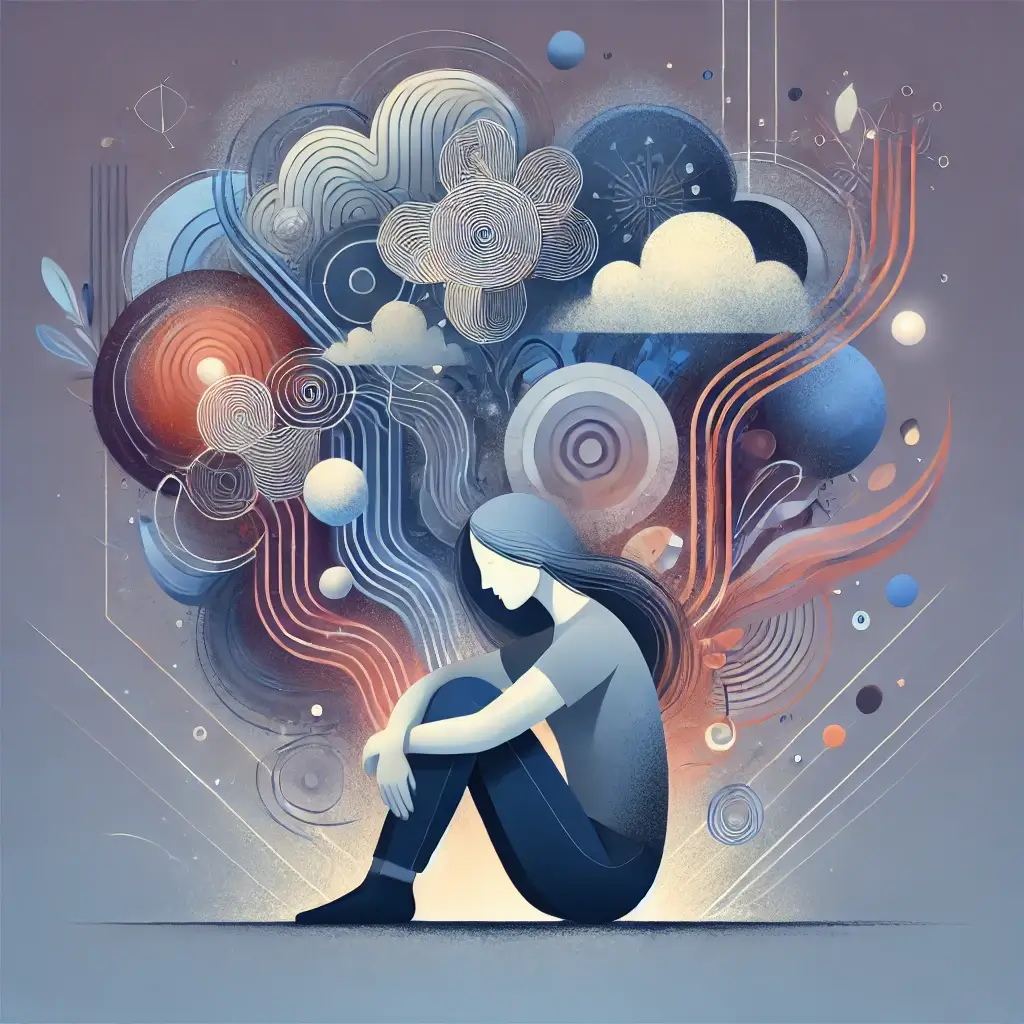
Understanding Mental Disorders
Mental disorders, also referred to as mental illnesses, encompass a wide range of psychological conditions that affect thoughts, feelings, behaviors, and overall functioning. These disorders can vary in their severity and manifestation and can impact anyone, regardless of age, gender, background, or socio-economic status. Understanding mental disorders is crucial not only for those who suffer from them but also for society at large. This article aims to provide a thorough understanding of mental disorders, their types, causes, signs and symptoms, and available treatment options.
Types of Mental Disorders
-
Anxiety Disorders Anxiety disorders are characterized by excessive fear or anxiety. Common forms include generalized anxiety disorder (GAD), panic disorder, social anxiety disorder, and specific phobias.
-
Mood Disorders Mood disorders affect emotional state and include major depressive disorder, bipolar disorder, and dysthymia. These conditions can profoundly affect a person’s quality of life.
-
Personality Disorders Personality disorders involve enduring patterns of behavior, cognition, and inner experience. Examples include borderline personality disorder, narcissistic personality disorder, and antisocial personality disorder.
-
Psychotic Disorders Psychotic disorders, including schizophrenia, are characterized by distorted thinking and awareness. Symptoms may include delusions, hallucinations, and disorganized thinking.
-
Eating Disorders These disorders, such as anorexia nervosa and bulimia nervosa, involve preoccupation with food, body weight, and shape, leading to dangerous eating behaviors.
-
Obsessive-Compulsive Disorder (OCD) OCD is marked by unwanted and intrusive thoughts (obsessions) and repetitive behaviors or mental acts (compulsions) aimed at reducing the distress caused by these obsessions.
-
Post-Traumatic Stress Disorder (PTSD) PTSD can develop following exposure to a traumatic event and is characterized by flashbacks, avoidance of reminders, negative changes in cognition and mood, and heightened arousal.
Causes of Mental Disorders
The origins of mental disorders are complex and multifaceted. Factors contributing to the development of mental illness may include:
-
Genetic Influences: Family history can increase the likelihood of developing a mental disorder.
-
Biological Factors: Neurotransmitter imbalances, hormonal changes, and structural abnormalities in the brain can play a significant role.
-
Psychological Factors: Coping mechanisms, personality traits, and psychological resilience are critical in understanding mental health.
-
Environmental Factors: Life experiences such as trauma, abuse, poverty, and social isolation can trigger or exacerbate mental disorders.
Signs and Symptoms
Recognizing the signs and symptoms of mental disorders is crucial for early intervention. While symptoms may vary widely based on the type of disorder, some common indicators include:
- Changes in mood or personality
- Withdrawal from social interactions
- Changes in sleeping or eating habits
- Decline in work or academic performance
- Increased use of substances
- Difficulty concentrating or making decisions
Treatment Options
Treatment for mental disorders often involves a multifaceted approach, which can include:
-
Psychotherapy: Common types include cognitive-behavioral therapy (CBT), dialectical behavior therapy (DBT), and interpersonal therapy. Therapy can help individuals understand their thoughts, develop coping strategies, and challenge negative patterns.
-
Medications: Various medications such as antidepressants, antipsychotics, and mood stabilizers can help manage symptoms. Medication should always be prescribed and monitored by healthcare professionals.
-
Lifestyle Changes: Regular exercise, healthy eating, sufficient sleep, and mindfulness practices can positively influence mental health.
-
Support Systems: Building a strong support network of family, friends, and mental health professionals can provide essential emotional and practical support.
-
Alternative Therapies: Techniques such as meditation, yoga, and art therapy have gained popularity as complementary treatments for mental health issues.
Conclusion
Mental disorders remain a critical public health issue worldwide. Reducing the stigma associated with mental illness and promoting mental health awareness can foster a more understanding and supportive society. Additionally, ongoing research into the causes and treatments of mental disorders is essential for improving outcomes for those affected.
Recommended Reading
For those wishing to delve deeper into the topic of mental disorders, the following books provide valuable insights:
-
"The Diagnostic and Statistical Manual of Mental Disorders (DSM-5)" by American Psychiatric Association - This essential manual categorizes and provides diagnostic criteria for a range of mental disorders.
-
"The Body Keeps the Score: Brain, Mind, and Body in the Healing of Trauma" by Bessel van der Kolk - A comprehensive overview of trauma and its profound effects on the body and mind.
-
"Lost Connections: Uncovering the Real Causes of Depression – and the Unexpected Solutions" by Johann Hari - This book provides a unique perspective on the causes of depression and offers alternative solutions.
-
"Feeling Good: The New Mood Therapy" by David D. Burns - A practical guide to understanding and treating depression using cognitive-behavioral techniques.
-
"Mindhunter: Inside the FBI's Elite Serial Crime Unit" by John E. Douglas and Mark Olshaker - While primarily about criminal psychology, it offers valuable insights into personality disorders.
By understanding mental disorders and the complexities associated with them, we can work towards creating a more informed and compassionate society, ultimately leading to better mental health for all.