
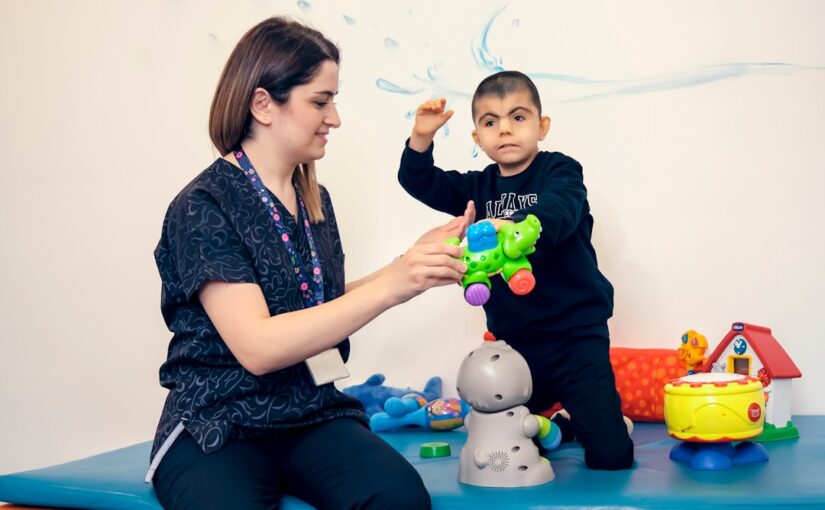
What will you learn about Strength Based Approaches To Autism Support?
This article explains how strength based approaches to autism support work, why they improve engagement and quality of life, and how caregivers, educators, and clinicians can apply them in assessment, planning, and everyday practice. You will learn practical strategies, evidence-informed principles, and where to find reliable resources to build person-centered supports that focus on abilities rather than deficits.
- Key principles of strength based support and how they differ from deficit models
- Concrete strategies for home, school, and clinical settings
- How to build and measure a strengths-focused support plan
How do strength based approaches improve outcomes for autistic people?
Strength based approaches shift the focus from what a person cannot do to what they can do, and from correcting perceived deficits to amplifying competence. This orientation promotes motivation, reduces stigma, and helps individuals develop adaptive skills that align with their preferences and capacities.
When supports emphasize strengths, people are more likely to participate actively in goal setting and practice, producing more sustainable skill gains and better quality of life. Early emphasis on strengths can also shape learning pathways so interventions are more meaningful and less stressful.
What are the core principles of strength based support?
Strength based support is guided by a set of practical, person-centered principles that can be applied across settings.
1. Start with a comprehensive strengths assessment
Assessment should document interests, sensory preferences, communication profiles, cognitive skills, play patterns, and contextual supports. Use direct observation, interviews with family, and tasks that allow the person to show competence. Assessment is not only about diagnosis, it is a map for intervention design.
2. Build goals around meaningful, functional outcomes
Goals should arise from the person’s priorities and daily life, connecting strengths to real-world tasks. For example, a strong visual memory can be used to teach routines or job skills rather than only focusing on reducing an unwanted behavior.
3. Use strengths to scaffold learning
Design learning opportunities that use preferred modalities and existing skills. If a person has strong pattern recognition, structure tasks that use predictable sequences. If they have strong focused interests, embed teaching into those topics to increase engagement.
4. Collaborate and include the person as an agent
Where possible, involve the autistic person in choices, decisions, and evaluation. Greater self-determination improves adherence, self-efficacy, and long-term outcomes. For nonverbal individuals, use augmentative communication and family insights to center preferences.
5. Monitor, adapt, and celebrate progress
Regularly measure functional progress, adapt supports when needed, and explicitly recognize achievements. Celebrating success reinforces motivation and makes the plan sustainable.
How do strength based strategies compare with traditional deficit-focused models?
| Aspect | Deficit-Focused Model | Strength Based Approach |
|---|---|---|
| Primary aim | Reduce symptoms and correct weaknesses | Enhance abilities and functional participation |
| Goal setting | Clinician-driven, symptom reduction | Person-centered, meaningful outcomes |
| Motivation | Often extrinsic rewards and compliance | Intrinsic engagement through interests |
| Measurement | Focus on symptom checklists | Functional progress and quality of life metrics |
| Role of family | Training to manage behaviors | Partners in designing supportive environments |
Which practical strategies can caregivers, educators, and clinicians use today?
Strength based work is practical. The following strategies are actionable across home, school, and clinic environments, and can be adapted by teams of professionals and family members.
Use interest-based learning
Integrate a person’s special interests into teaching academic, communication, or social skills. For example, a child who loves trains can practice turn-taking and sequencing through train-themed activities. Embedding learning in interests increases attention and retention.
Create strength-aligned routines
Build daily routines that leverage skills such as visual organization or strong memory. Visual schedules, checklists, and predictable sequences empower independence while minimizing anxiety.
Adapt communication to strengths
Match communication supports to strengths. If a person is visually oriented, use pictures, symbols, or written choices. If they learn well through movement, incorporate actions into communication practice.
These strategies dovetail with many behavioral supports; to learn more about evidence-based intervention approaches that can be integrated with strengths-focused plans, see this discussion of behavioral intervention approaches for children with autism.
Design natural environment teaching
Teach skills in the real-life settings where they will be used. Natural environment teaching uses naturally occurring opportunities and the person’s preferences to teach communication, social routines, and self-care.
Support sensory needs while amplifying strengths
Sensory differences can either hinder participation or be channeled as strengths. For example, strong sensory discrimination can aid vocational tasks that require attention to detail. Provide sensory breaks and environmental modifications so strengths can be expressed consistently.
For examples of strengths commonly found in autistic people, integrate assessment outcomes with practical scaffolds described in resources such as strengths and abilities common in autistic individuals.
How do you plan and document a strength-based support plan?
A clear, documented plan helps teams implement strength-based strategies consistently. The following steps provide a practical workflow for creating an actionable plan.
Step 1: Conduct a strengths mapping assessment
Use interviews, observation across contexts, and structured tasks to record abilities, routines, motivators, and environmental supports. Note what works in school, home, and community settings.
Step 2: Prioritize functional goals
Choose 3 to 6 measurable goals that align with personal priorities, such as independent meal preparation, workplace routines, community travel, or social participation. Goals should be short, concrete, and achievable within a defined timeframe.
Step 3: Select strategy bundles
For each goal, choose a bundle of strategies: scaffolding that uses strengths, environmental supports, communication systems, and reinforcement aligned with intrinsic motivators. Document step-by-step teaching sequences and responsible team members.
Step 4: Implement with coaching and fidelity checks
Train family members, educators, and support staff in the chosen approaches. Use brief fidelity checks and coaching sessions to ensure consistent application across settings.
Step 5: Measure outcomes and adapt
Collect functional indicators such as independence level, time on task, and participation frequency. Review data with the person and family at regular intervals and adapt the plan based on observed progress and changing priorities.
What evidence and expert guidance support strength based approaches?
Person-centered, strengths-focused practice aligns with accepted best practices in developmental support and rehabilitation. Official guidance emphasizes tailoring supports to individual functioning and participation rather than only focusing on symptom lists.
For clinicians and planners, authoritative public health sources describe diagnostic criteria and emphasize individualized planning; for example, see CDC’s autism information page for diagnostic and service planning context: CDC’s autism information page.
Research and clinical reviews highlight benefits when supports are meaningful and aligned with individual goals. Although research continues to grow, integrating strengths into intervention design is consistent with human rights, person-centered care, and better long-term engagement.
Examples, data points, and expert context
Examples help translate principles into practice:
- A teenager with strong visual-spatial skills used those abilities to learn video editing. Supported employment planning focused on that skill, resulting in a paid internship aligned with the youth’s interest.
- A nonverbal adult with a strong interest in trains used a picture-based communication book to request preferred tasks, which reduced frustration and increased successful task completion.
Expert-backed context: major health organizations recommend individualized, multidisciplinary planning that considers strengths, needs, and family priorities. The Diagnostic and Statistical Manual of Mental Disorders, Fifth Edition (DSM-5) provides criteria for diagnosis but emphasizes that supports should be matched to level of support needs rather than labels alone.
When implementing strength based approaches, document progress in functional terms, and combine person-centered practices with evidence-based teaching strategies to maximize both learning and well-being.
How can teams address common challenges when shifting to strength based practice?
Shifting from a deficit orientation can raise practical challenges. Common barriers include time pressures, staff training gaps, and misalignment between systems designed for symptom reduction and person-centered goals.
Challenge: Limited training or time
Solution: Start small. Pilot strength-aligned goals for one or two routines, provide brief coaching, and use data from those pilots to demonstrate feasibility and benefit.
Challenge: Systems prioritize compliance or standard metrics
Solution: Translate strengths-focused outcomes into measurable indicators that administrators value, such as independence in activities of daily living, reduced crisis episodes, or successful transitions.
Challenge: Family or team disagreement about priorities
Solution: Use facilitated goal-setting sessions, where a neutral clinician or coordinator helps stakeholders rank goals based on the person’s preferences and daily needs. Document agreements and revisit them regularly.
Addressing these challenges takes incremental change and consistent leadership from professionals who can link strength-based practice to measurable, system-relevant outcomes.
How do cultural and contextual factors influence strength based support?
Cultural values shape how strengths are seen and which goals are regarded as meaningful. Culturally responsive strengths work recognizes family priorities, language, community norms, and access barriers when designing supports.
For practical guidance on identifying cultural influences on support and identification, consider perspectives and examples described in resources that explore cultural factors in autism identification and support. These resources can help teams adapt assessment tools and goal-setting processes to diverse communities.
What training and tools help teams implement strengths-focused support?
Training should cover person-centered planning, motivational strategies, naturalistic teaching techniques, and adaptive communication tools. Useful tools include:
- Strengths inventories that capture interests and skills across settings
- Visual supports such as schedules and choice boards
- Augmentative and alternative communication systems
- Collaborative planning templates that record goals, strategies, and progress indicators
Ongoing coaching and peer learning help translate training into routine practice and protect against drift back to deficit-focused habits.
FAQ
What is a strength based approach in autism support?
A strength based approach emphasizes a person’s abilities, interests, and supports to develop functional skills and participation, rather than focusing mainly on correcting deficits.
Can strength based methods be used with behavioral interventions?
Yes, strength based strategies can complement behavioral interventions by using interests as motivators and embedding teaching in meaningful activities to increase engagement and generalization.
How do I start a strength based plan for my child or client?
Begin with a strengths mapping assessment, set a few functional goals based on preferences, select strategies that build on strengths, and measure progress regularly with simple, observable indicators.
Are there risks to focusing on strengths?
Focusing on strengths is not a substitute for addressing safety or significant support needs. Effective plans balance strengths-based opportunities with necessary supports and risk management.
Next steps and practical takeaway
- World Health Organization. Autism spectrum disorders. World Health Organization fact sheet. Available titles and resources on autism spectrum disorders. 2022.
- Centers for Disease Control and Prevention. Data & Statistics on Autism Spectrum Disorder. U.S. CDC information and resources on autism. 2023.
- National Institute of Mental Health. Autism Spectrum Disorder (ASD). NIMH overview of symptoms, diagnosis, and research. 2022.
- American Psychiatric Association. Diagnostic and Statistical Manual of Mental Disorders, Fifth Edition (DSM-5). Washington, DC: APA; 2013.