
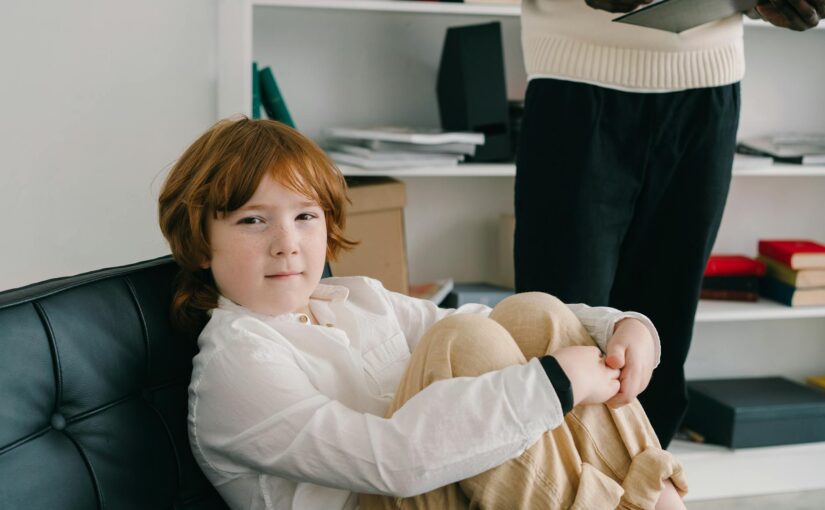
If you’re trying to understand subtle signs of autism in a child, you’re not alone—many parents and caregivers notice differences in social communication, patterns, or sensory responses that may not be obvious at first. Familiarizing yourself with early patterns can help you better support your child’s unique development.
Identifying Subtle Autism Signs in Children
Autism spectrum disorder (ASD) appears differently for every child. Some children show subtle patterns rather than clear behaviors. Even children who speak on time, succeed academically, or enjoy being around others might face challenges with social understanding, flexibility, or sensory experiences. What matters is whether these differences form a consistent pattern across environments and situations NICE CG128.
Examples of Subtle Social or Behavioral Patterns
- Literal responses: A child may answer questions exactly as asked, missing indirect requests or implied meanings. Example: When asked, “Can you shut the door?” they reply “Yes,” but leave the door open.
- Joining groups: A child might stand near classmates but find it difficult to jump into ongoing games or shift activities. They may watch group play but be unsure how to participate, especially if the rules suddenly change.
- Routine sensitivity: Anxiety or discomfort if routines change without warning, such as taking a new route to school or rearranging furniture at home.
- Sensory responses: Heightened reactions to sounds, touch, or lights. For instance, needing to wear the same type of clothes, covering ears for noisy environments, or seeking calming repetitive movements.
Communication and Interaction Clues
Children on the autism spectrum can have good language skills yet experience challenges with conversation, such as struggling with back-and-forth exchanges, reading nonverbal cues, or shifting topics. They may also concentrate intensely on favorite subjects and miss subtle social cues like body language. Teachers may see them excel individually but notice difficulties in group work or unstructured play. Some children may seem more comfortable with adults than peers, or need extra support to join group conversations NICE CG170.
Supportive Strategies for Everyday Life
- Use clear, direct language. Avoid hints or sarcasm—say exactly what you mean.
- Introduce changes gradually. Offer visual schedules or verbal warnings when routines shift.
- Give extra time to answer questions or follow instructions.
- Provide options for sensory breaks or quiet spaces for calming down if needed.
- Encourage your child’s strengths, such as strong memory, loyalty, or depth of interest.
For example, if your child finds transitions at school stressful, try talking through each step of the day ahead of time, using a picture chart or checklist. Offering a quiet spot to regroup can help them feel secure after busy activities.
Observations That May Benefit from Professional Input
- Challenges with two-way conversation, especially with peers
- Strong preference for routine or predictability
- Unusual reactions to sensory input (noise, touch, bright lights, clothing texture)
- Very focused interests that limit other activities
- Ongoing difficulty joining group activities or making friends
When several of these patterns are seen over time and in different places (like home and school), consider talking to a healthcare or educational professional who knows how to assess autism. National guidelines recommend looking at a child’s whole developmental profile, not just isolated behaviors NICE CG128.
What Families Should Know
There is no single “mild autism” profile, and some children will show only a few subtle signs. Not every child who experiences these challenges is autistic. If you’re unsure, individualized assessment and tailored accommodations—such as those described in clinical guidance—can help children succeed and participate more fully in daily life NICE CG170. Practical supports, not labels or assumptions, can make a meaningful difference.