
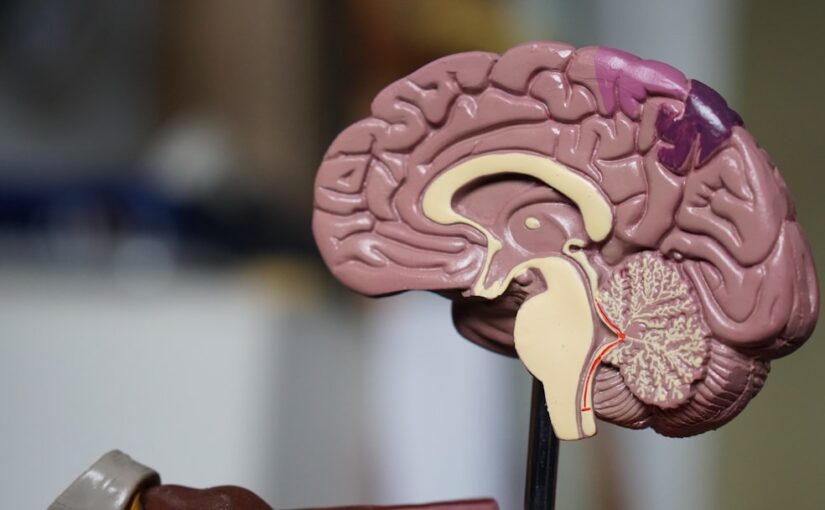
How do Hormonal Influences On ADHD Development shape risk, symptoms, and clinical approach?
This article explains what current evidence says about hormonal influences on ADHD development, including prenatal sex steroids, stress hormones, thyroid function, and endocrine disruptors. You will learn when hormones most strongly interact with brain development, how these effects help explain sex differences and symptom profiles, and what clinicians and families can do to screen and manage hormone-related contributors to attention deficit hyperactivity disorder.
- Key takeaway 1: Hormonal exposures during prenatal and early postnatal windows alter neurodevelopmental trajectories relevant to ADHD.
- Key takeaway 2: Sex steroids, cortisol, and thyroid hormones each act through distinct biological pathways that may increase ADHD risk or change symptom expression.
- Key takeaway 3: Clinical evaluation should consider prenatal history, endocrine screening when indicated, sleep and stress management, and environmental toxin reduction.
How do hormones influence ADHD development at the biological level?
| Hormone or factor | Typical developmental window | Potential influence on ADHD-related processes | Probable mechanism |
|---|---|---|---|
| Sex steroids (testosterone, estrogen) | Prenatal to early postnatal | May affect brain circuits for attention, impulsivity, and reward; contribute to sex differences | Modulate neuronal proliferation, migration, synaptogenesis, and dopaminergic signaling |
| Glucocorticoids (cortisol) | Prenatal and childhood | Alter stress reactivity, attention regulation, and impulse control | Program HPA axis, change synaptic pruning and hippocampal development |
| Thyroid hormones (T3, T4) | Prenatal to infancy | Essential for cortical and cerebellar development; deficits linked to cognitive and attentional problems | Regulate neuronal differentiation, myelination, and metabolic support |
| Placental hormones and function | Prenatal | Influence fetal exposure to maternal hormones and stress mediators | Alter transport and metabolism of steroids and glucocorticoids |
| Endocrine disrupting chemicals | Prenatal and early childhood | May mimic or block hormones, affecting brain development and behavior | Interfere with receptor signaling, hormone synthesis, and epigenetic regulation |
Hormones act as chemical signals that steer brain development. During sensitive periods such as the second and third trimesters and the first years after birth, hormonal signals guide neuronal growth, circuit formation, and neurotransmitter system development. Small shifts in the timing or amount of exposure can alter dopaminergic and noradrenergic circuits that underlie attention, reward processing, and inhibitory control. These circuit-level changes are the proximate biological links between hormonal exposures and ADHD-relevant behaviors.
What prenatal hormonal exposures are most strongly linked to ADHD risk?
Prenatal exposures associated with higher ADHD risk include altered sex steroid levels, excessive maternal glucocorticoid exposure from chronic stress or pharmacologic sources, maternal hypothyroidism, and maternal metabolic or placental dysfunction. Epidemiologic studies show associations between maternal stress or severe illness during pregnancy and increased likelihood of attention and hyperactivity problems in offspring. These findings do not mean hormones alone cause ADHD; rather, hormonal exposures interact with genetic susceptibility and other environmental factors, such as maternal smoking, infection, nutrition, and toxin exposure.
When discussing prenatal risks it is useful to consider both direct hormone action and placental modulation. The placenta expresses enzymes that metabolize maternal steroids and regulate fetal exposure. Disruption of placental function can therefore increase fetal exposure to cortisol or sex hormones, altering brain maturation. For practical guidance on multiple prenatal contributors to ADHD risk, clinicians and families can review summaries focused on prenatal risk factors for ADHD and consider risk reduction strategies where possible: prenatal risk factors for ADHD.
How do sex differences in hormones help explain different ADHD presentations?
ADHD is more commonly diagnosed in males, particularly for the hyperactive-impulsive subtype, while females more often present with inattentive symptoms and internalizing comorbidities. Sex steroids help shape neural systems differently in males and females during early brain development. Higher fetal testosterone exposure has been hypothesized to influence social cognition and reward circuits, while estrogen and other ovarian factors modulate synaptic plasticity and attentional networks.
These hormonally driven differences do not fully explain prevalence or diagnostic patterns. Socialization, referral bias, and sex differences in observable behaviors also play large roles. Nonetheless, awareness of sex-based developmental trajectories can help clinicians interpret symptom patterns, choose screening strategies, and tailor psychosocial interventions.
Clinical implication
Understanding sex-influenced developmental windows supports more sensitive screening for inattentive symptoms in girls and for co-occurring mood or anxiety symptoms that may mask attentional problems.
What role does maternal stress and cortisol play in ADHD development?
Prolonged maternal stress elevates circulating glucocorticoids, primarily cortisol, which can cross or influence placental function and thereby affect fetal brain development. Excess glucocorticoids are linked to alterations in hippocampal and prefrontal maturation, both of which contribute to attention regulation and executive function. Prenatal stress is one of several stress-related exposures that correlate with increased risk for attention and behavior regulation difficulties.
Stress-related pathways also relate to sleep quality. Poor maternal sleep and postpartum sleep disruption modulate maternal stress biology and may indirectly influence child regulatory development. For connections between sleep and ADHD symptoms in children and adolescents, see research discussing sleep deprivation effects on ADHD symptoms: sleep deprivation effects on ADHD symptoms.
Are thyroid hormones important for attention and behavior?
Thyroid hormones are essential for neurodevelopment. Maternal hypothyroidism or insufficient thyroid hormone supply during pregnancy can impair neuronal migration, myelination, and synapse formation, which may increase risk for neurodevelopmental disorders including attentional deficits. Clinical practice guidelines recommend screening and treating overt maternal hypothyroidism during pregnancy because timely management supports fetal brain development.
Can environmental toxins that affect hormones change ADHD risk?
Certain environmental chemicals interfere with endocrine signaling and have been investigated for links to ADHD. Substances such as some persistent organic pollutants, phthalates, and bisphenol A have endocrine-disrupting potential and are studied as possible contributors to neurodevelopmental differences. Research on environmental chemical exposure and ADHD risk is complex because exposure timing, dose, chemical mixtures, and co-occurring social factors all influence outcomes.
Reducing avoidable exposures during pregnancy and early childhood is a practical step families can take. For a deeper review of how toxins relate to ADHD risk, a summary of environmental exposures provides context: Environmental toxins and ADHD risk.
How do genetic and hormonal factors interact?
ADHD arises from a complex interplay of multiple genes and environmental influences, including hormonal exposures. Genes involved in dopamine transmission, synaptic function, and neuronal development may modify how the developing brain responds to hormonal signals. For example, genetic variation in neurotransmitter systems can alter sensitivity to prenatal steroid effects. Gene-environment interaction studies suggest that hormonal exposures may increase risk primarily in genetically predisposed individuals rather than acting uniformly across the population.
Research methods used to test interactions
Researchers use methods such as sibling-comparison designs, animal models, and molecular epidemiology to separate genetic from hormonal effects. Placental biomarkers, amniotic hormone assays, and cord blood measures can provide direct biological evidence but are more logistically difficult in large human cohorts. Animal and cellular models help clarify mechanism but require careful translation back to human development.
What are the practical clinical implications for diagnosis and management?
Hormonal influences inform several aspects of clinical care rather than replacing established diagnostic and treatment pathways. Clinicians should:
- Take a thorough prenatal and perinatal history, asking about maternal thyroid disease, severe stress, steroid use, and significant obstetric complications.
- Consider thyroid function testing when there is clinical suspicion of congenital or maternal thyroid dysfunction.
- Address modifiable contributors such as sleep, maternal stress, and environmental toxin exposure when counseling families about risk reduction.
- Recognize sex-specific symptom presentations and screen accordingly to avoid delayed diagnosis in girls.
Medication decisions for ADHD focus on behavioral symptoms and functional impairment. Hormonal knowledge may influence adjunctive treatment decisions, for example, evaluating thyroid status if fatigue or cognitive slowing is prominent and not explained by ADHD treatment alone.
What can families do to minimize hormone-related risks?
Practical steps for parents and prospective parents include optimizing prenatal care: managing thyroid disease, reducing chronic stress where possible, avoiding unnecessary glucocorticoid exposure, maintaining good sleep, and minimizing occupational or household exposures to known endocrine-disrupting chemicals. These actions support overall fetal health and may reduce the likelihood of hormone-linked developmental disruptions.
When to seek specialist input
Refer to an endocrinologist or maternal-fetal medicine specialist if there is known maternal endocrine disease, elevated stress with physiologic consequences, or concerns about early infant growth and development that suggest an endocrine contributor. A multidisciplinary approach that includes pediatric behavioral health, neurology, or developmental pediatrics is appropriate when ADHD symptoms co-occur with signs of broader neuroendocrine dysfunction.
How robust is the evidence and what are current research priorities?
Evidence linking hormones and ADHD development is growing but not definitive. Many studies are observational and subject to confounding. High-quality prospective cohorts, improved biomarker measures, and mechanistic animal studies remain research priorities. Scientists are prioritizing:
- Clarifying sensitive windows when hormone perturbations most alter ADHD risk.
- Identifying which hormonal changes predict specific ADHD symptom profiles.
- Determining how genetic susceptibility modifies hormonal effects.
- Evaluating interventions that can reduce modifiable hormonal risks during pregnancy and early childhood.
For a reliable overview of ADHD causes and research directions from a national institute, see the NIMH summary of ADHD causes and risk factors which describes genetic and environmental contributors including prenatal influences: NIMH overview of ADHD causes.
Examples, data points, and expert-backed context
Examples that illustrate the clinical and research landscape include cohort studies that associate high maternal stress with increased risk of attention and behavior problems in offspring, and clinical practice guidelines recommending treatment of maternal hypothyroidism to protect fetal neurodevelopment. Expert panels emphasize multi-factorial causation: hormonal exposures are one component among genetics, perinatal events, environmental toxins, and early childhood experiences. Translational studies in animals show that prenatal glucocorticoid excess can alter prefrontal connectivity, a plausible mechanism for attention regulation changes.
Clinical vignette
A pregnant person with untreated hypothyroidism receives appropriate levothyroxine replacement after diagnosis in the first trimester. Postnatal follow-up shows normal early cognitive milestones and no early attentional concerns. While this single case does not prove causation, it exemplifies how timely endocrine care can reduce one biological risk factor for altered neurodevelopment.
How should research translate into practice without overinterpreting findings?
Clinicians should adopt evidence-based screening and treatment for known endocrine disorders, counsel about modifiable exposures, and remain cautious about attributing ADHD solely to hormonal causes. Families should be reassured that ADHD has multiple contributing factors and that many children with ADHD lead successful lives with appropriate support. Ongoing dialogue between researchers, clinicians, and public health authorities will refine recommendations as evidence accumulates.
FAQ
Can maternal stress during pregnancy cause ADHD in a child?
Maternal stress is associated with a higher risk of attention and behavior problems in some studies, but it is one of multiple interacting risk factors and does not by itself determine that a child will develop ADHD.
Do thyroid problems in pregnancy increase ADHD risk?
Untreated maternal hypothyroidism during pregnancy is linked to poorer neurodevelopmental outcomes; treating thyroid disease during pregnancy is recommended to reduce risk to fetal brain development.
Are boys more affected by hormonal influences than girls?
Sex hormones contribute to different developmental trajectories, and boys are diagnosed more often with hyperactive presentations; however, hormonal influences affect both sexes and interact with genetics and environment.
Should children with ADHD be tested for hormonal problems?
Routine endocrine testing is not required for all children with ADHD. Testing is indicated when clinical signs suggest an endocrine disorder, such as growth changes, thyroid symptoms, or unusual developmental patterns.
Can reducing exposure to endocrine disruptors lower ADHD risk?
Reducing avoidable exposures to known endocrine-disrupting chemicals during pregnancy and early childhood is a prudent preventive step, although evidence linking specific reductions to lower ADHD incidence is still evolving.
Next practical step: if you are a clinician, incorporate targeted prenatal and perinatal history questions about thyroid disease, stress, steroid use, and environmental exposures into intake assessments. If you are a parent-to-be, discuss thyroid screening and stress management with your obstetric provider and take simple exposure-reduction actions at home such as avoiding certain plastics and following workplace safety guidance.
- National Institute of Mental Health. Attention-Deficit/Hyperactivity Disorder. National Institutes of Health. 2023. (NIMH overview of ADHD causes and risk factors)
- Centers for Disease Control and Prevention. Attention-Deficit / Hyperactivity Disorder (ADHD). CDC. (General information and surveillance on ADHD)
- American Psychiatric Association. Diagnostic and Statistical Manual of Mental Disorders, Fifth Edition. Arlington, VA. 2013. (DSM-5 diagnostic criteria for ADHD)