
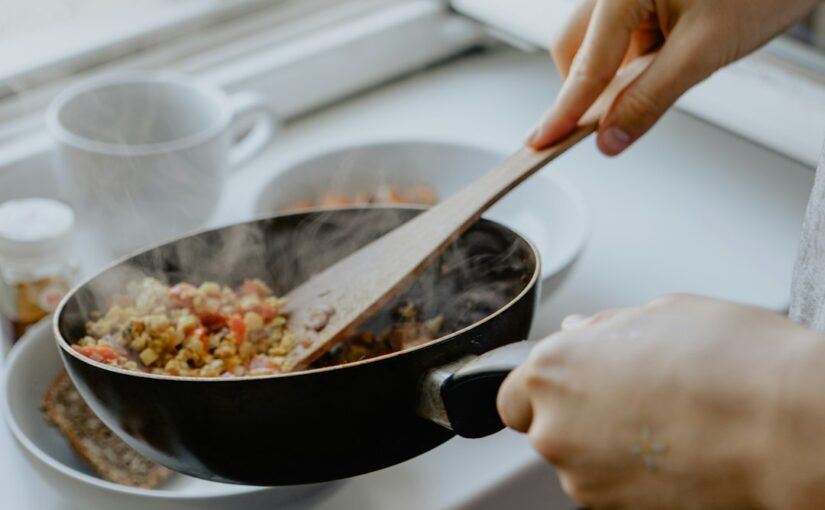
How can Cooking And Meal Prep For ADHD become manageable and sustainable?
This article shows practical, evidence-informed strategies for cooking and meal prep with ADHD. You will learn how symptoms of ADHD affect food tasks, how to set up an ADHD-friendly kitchen, routine and time-management tactics, simple meal templates, safety tips, and ways to make cooking motivating and reliable. The primary keyword, Cooking And Meal Prep For ADHD, appears as the central focus and will guide each section.
- Key, actionable adjustments to simplify cooking and meal prep.
- Concrete routines, tools, and visual systems that reduce mistakes and waste.
- Examples of meal templates, batching ideas, and safety practices you can try this week.
What ADHD symptoms affect cooking and meal prep?
| ADHD-related difficulty | How it shows up while cooking | Practical strategy |
|---|---|---|
| Inattention | Forgetting steps, leaving pots unattended, skipping ingredients | Use checklists, timers, and recipe cards with step-by-step prompts |
| Working memory limits | Struggling to hold multiple steps or measurements in mind | Write down interim steps, pre-measure ingredients, use mise en place |
| Impulsivity | Starting new tasks mid-recipe, tasting too frequently, grabbing wrong items | Reduce choices with simplified meal templates, cover distractions |
| Time blindness | Underestimating cooking time, overcooking, or missing mealtimes | Visual timers, alarms, and visible clocks create external time cues |
| Motivation fluctuations | Difficulty beginning cooking, preferring takeout on low-energy days | Use small wins, reward structures, and low-effort recipes for momentum |
Cooking combines many cognitive tasks, including planning, sequencing, monitoring, and managing distractions. The table above maps common ADHD difficulties to concrete strategies you can try immediately. Recognizing which combination of symptoms affects you or a family member is the first step toward practical accommodations.
How do I design an ADHD-friendly kitchen and workflow?
A supportive kitchen reduces decision fatigue and interruptions. Start by creating predictable zones, minimizing clutter, and using visual cues. Keep cooking tools you use every day within arm reach, and store seldom-used appliances out of sight. Clear counters help maintain focus, and labeled containers reduce search time.
Zone the kitchen for fewer mistakes
Designate clear areas for prep, cooking, plating, and cleaning. Use a small tray or caddy to collect tools needed for a recipe so you can move items back to their zone quickly. Consistent placement saves working memory and reduces “where did I put that” moments.
Make information external and visible
Write recipe steps on an index card or whiteboard instead of relying on memory. Use large, bold labels for containers and drawers. If you struggle to keep track of time, use a visual timer or a phone screen that shows a countdown to your next step. You can pair these tactics with organizational techniques from note-taking approaches; for example, adapt ideas from note-taking strategies for ADHD learners to keep checklists concise and scannable.
Reduce choice and simplify tools
Limit spices and multi-step gadgets when you need low-effort meals. Simple, reliable cookware is less distracting. For people who become overwhelmed by many recipe choices, rotate a small set of favorite meals each week to lower decision-making load.
What meal planning and prep strategies work best for ADHD?
Effective meal planning for ADHD emphasizes repetition, templates, and one-step substitutions. Build a weekly meal template that fits your rhythm, such as: one-pot dinner, cook-ahead protein, quick salad, slow-cooker meal, and a flexible leftovers night. Templates reduce daily planning decisions and make shopping and prep predictable.
Batching and mise en place
Batch-cook proteins, grains, and chopped vegetables once or twice per week. Store them in clearly labeled containers so assembling a meal feels like playing with building blocks. Mise en place, or pre-measuring ingredients, reduces the cognitive load while cooking, and prevents stopping mid-step to hunt for items.
Simple meal templates to test
Try templates such as “protein + grain + veg,” “stir-fry with frozen mix + pre-cooked rice,” or “sheet-pan meal.” Limit complex recipes to days when you have more energy. On low-energy days, rely on pre-prepped components or a single-pan meal that finishes quickly.
Use timers and checkpoints
Set a timer for each critical step, including a midway checkpoint to assess doneness. Many people with ADHD respond well to interval cues, because a timer interrupts attention drift. Label the timer with the step name so the chime has context, for example “sauce simmer – 10 minutes.”
How can tools, gadgets, and tech support cooking and attention?
The right tools reduce friction and compensate for attention and working memory challenges. Use measuring spoons with magnetic holders, pre-measured spice packets, and containers with clear lids. Visual timers, smart plugs, and kitchen alarms add external structure. Consider a toy-like visual timer that uses color or sand movement, because visual feedback can be more intuitive than numbers.
Apps and devices
Smartphone apps for timers, grocery lists, and meal planning keep steps and lists in one place. Use apps that allow checklists you can tick off. If an app distracts you with notifications, keep it in a dedicated folder or use “do not disturb” while cooking.
Low-friction utensils
Choose knives with comfortable grips, non-slip cutting boards, and splatter guards to reduce sensory discomfort. If washing dishes is a barrier, use lined baking sheets and a dishwasher-safe approach where possible to reduce cleanup resistance.
What behavioral strategies increase follow-through and reduce errors?
Behavioral approaches create predictable habits. Habit stacking, where you attach a new small habit to a reliable existing one, works well. For example, make it part of your routine to start a meal by setting a timer, then gathering all ingredients for three minutes. This anchors the new behavior to an existing cue.
Make small commitments
Begin with micro-goals such as “chop one onion” or “cook rice for 10 minutes.” Small tasks are easier to initiate and finish, and they build momentum toward larger prep sessions. Reward completion with a short break, a positive note, or a small, non-food reward that matters to you.
Accountability and social supports
Cooking with someone else, connecting with a friend to share weekly meal photos, or using a shared checklist can boost consistency. If you care for children, consider ways to include them safely as helpers, which can increase engagement and reduce the solitary burden of meal prep. This approach aligns with recommendations about encouraging strengths and interests in ADHD children when involving them in tasks.
How do I manage time blindness and distraction during cooking?
Time blindness is common in ADHD and leads to missed start times or overcooking. Use external scheduling devices, such as a visible kitchen clock and multiple timers. Place timers where you can see them from several angles. For longer cooking tasks, set interim timers to check progress at predictable intervals.
Environmental controls
Limit background distractions like social media, TV, or non-essential tasks. If music helps you focus, choose playlists that are steady and not too engaging. When possible, prepare a “cooking-only” list that blocks unrelated tasks during meal prep time.
Visual step aids
Use sticky notes on your counter that list critical steps. For multi-step recipes, a laminated card you can cross off with a dry-erase marker is helpful. If auditory cues work better, create short voice reminders that speak the next step when a timer rings.
What are easy meal examples and templates you can try this week?
Here are low-effort, repeatable meal plans that minimize decision-making and use prepared building blocks.
- Sheet-pan roast: toss protein, a starchy vegetable, and a non-starchy vegetable with olive oil, roast 20-30 minutes.
- Stir-fry template: pre-cooked rice, frozen veg mix, quick sauce, and pre-cooked protein. Sauté 6-8 minutes.
- Grain bowl: base grain, a pre-cooked protein, a raw veg, and a simple dressing. Assemble in under five minutes.
- Slow-cooker dump: put protein, sauce, and vegetables in the slow cooker in the morning and finish with rice or bread.
- Breakfast-for-dinner: scrambled eggs, toast, and a fruit; fast and forgiving to mistakes.
Try one template for a week to let routines settle. Keep variation modest so the brain can automate familiar sequences.
What safety practices reduce risk when attention wanes?
Safety is essential when tasks involve heat, sharp tools, and hot liquids. Create automatic safety checks you perform every time you cook. For example, check that pot handles are turned inward before leaving the stove, and keep a fire extinguisher accessible. If you lose focus easily, consider using a stove top guard or an automatic shut-off device for ranges that support it.
Kitchen fire and burn prevention
Never leave active burners unattended. If you need to step away, turn off the heat or move the pot to a cool burner. Keep flammable materials away from the stove. For people who forget timers, set multiple alarms and, if necessary, use a kitchen gadget that automatically switches off at a set time.
Knife safety and sensory considerations
Use finger guards or cut-resistant gloves when learning knife skills. If certain textures or sounds are uncomfortable, find substitutes that reduce sensory load, such as pre-cut produce or electric choppers that are quieter.
How can caregivers and parents support children with ADHD in meal tasks?
Involving children can teach life skills and build independence, but it requires structure and safety. Break tasks into small, clear steps and supervise closely during unsafe activities. Provide choices within limits to encourage autonomy while maintaining predictability.
Scaffold tasks and celebrate small wins
Give one instruction at a time, model it, and then let a child do it under supervision. Use visual timers and picture-based checklists for multi-step tasks. Praise specific actions, such as “You washed these carrots well,” to support positive reinforcement.
For more ways to nurture positive development while using strengths, see suggestions about encouraging strengths and interests in ADHD children that can be adapted for mealtimes.
What does the evidence say about ADHD, executive function, and daily tasks like cooking?
ADHD is associated with challenges in executive functions, such as planning and working memory, which directly affect complex tasks like cooking. Behavioral strategies, environmental modifications, and external aids are recommended to reduce errors and increase independence. Evidence-based treatments for ADHD typically combine behavioral supports and, when appropriate, medication and professional guidance. For a reputable overview of ADHD treatments and recommendations, see the NIMH ADHD overview.
Examples and practical data points
Clinical and neuropsychological studies link executive function deficits to real-world impairments in daily activities, including multi-step tasks. Translational strategies used in educational and clinical settings, such as externalizing information and using incremental reinforcement, also apply well to cooking. While individual response varies, many people report marked improvements when routines, visual aids, and timers are integrated into daily meal prep.
How do I adapt these strategies for different living situations?
Adaptations depend on whether you live alone, with a partner, or with children. For shared households, agree on communal systems such as labeled containers and shared calendars. If you live alone, build redundancy into your systems, for example, combining a visual timer with an automatic stove shut-off device. In apartments with limited space, focus on vertical storage, multipurpose tools, and one-pot meals to reduce setup and cleanup demands.
Working with limited time or energy
Plan for “no-cook” nights or use convenience items like precooked rotisserie chicken or frozen steamable vegetables during weeks with low energy. Keep a short list of go-to meals that you can assemble in under 15 minutes. Rotate which template you use so you still get variety without re-planning each day.
What practical next steps can you try this week?
Choose one template and one environmental change to test for one week. For example, commit to a “stir-fry template” night twice, and install a visible kitchen timer. Track what works and adjust; small experiments help you identify sustainable habits. If you care for children, try delegating a safe preparatory task and use praise to reinforce success. If you suspect deeper executive function challenges, consider discussing accommodations with a clinician or occupational therapist.
FAQ
Will cooking feel impossible if I have severe inattention?
No, many people reduce task load by externalizing steps, batching prep, and using timers and checklists. Start with micro-tasks and build gradually.
Are there specific diets that improve ADHD-related cooking difficulties?
No single diet cures ADHD. A balanced diet, regular meals, and consistent routines can support concentration and energy levels. Consult a healthcare provider for personalized nutrition advice.
Can medication for ADHD help with meal prep routines?
Medication can improve attention and executive function for some people, which may make routines easier to follow. Discuss options with a prescribing clinician to see if medication is appropriate.
How do I teach a child with ADHD to be more independent in the kitchen?
Break tasks into small steps, use picture or written checklists, provide consistent supervision, and reinforce successes frequently to build skills and confidence.
- Centers for Disease Control and Prevention, “Attention-Deficit / Hyperactivity Disorder (ADHD).” CDC, updated information and resources.
- National Institute of Mental Health, “Attention-Deficit/Hyperactivity Disorder.” NIMH, overview of symptoms and treatments.
- World Health Organization, “Attention deficit hyperactivity disorder (ADHD).” WHO factsheet.
- Willcutt, E.G., Doyle, A.E., Nigg, J.T., Faraone, S.V., Pennington, B.F., “Validity of the executive function theory of attention-deficit/hyperactivity disorder: a meta-analytic review.” Biological Psychiatry, 2005.