
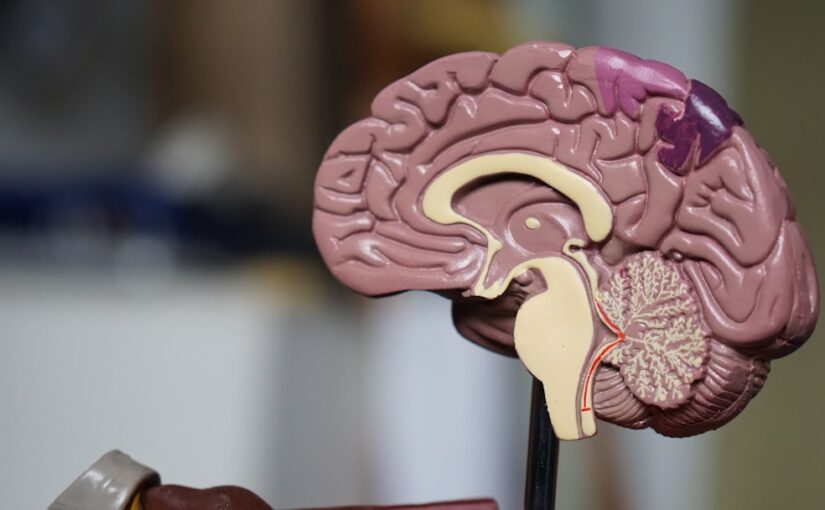
ADHD And Motor Stereotypies Considerations: what you will learn
This article explains how to recognize, differentiate, and manage repetitive motor stereotypies when they occur alongside attention deficit hyperactivity disorder. You will learn practical clinical and caregiver-focused considerations, differential diagnostic cues, assessment strategies, and evidence-informed treatment options for children and adults presenting with both ADHD and motor stereotypies.
Key takeaways:
- Motor stereotypies are patterned, rhythmic movements that can coexist with ADHD but have different triggers and implications.
- A focused history and simple observation help distinguish stereotypies from tics and ADHD-related movement symptoms.
- Treatment emphasizes behavioral strategies first, medication selectively when comorbidities or impairment are significant.
Why should clinicians and caregivers care about ADHD and motor stereotypies?
ADHD and motor stereotypies can co-occur, and each condition influences assessment, daily functioning, and treatment choices. Early, accurate identification reduces unnecessary medication changes and guides targeted behavioral supports that improve attention, stress tolerance, and social outcomes. This section outlines the core reasons to take both conditions seriously in clinical practice and at home.
Functional impact and impairment
Motor stereotypies may increase social stigma, reduce classroom participation, and compound attentional difficulties. When stereotypies are frequent or intense they can distract the child and peers, worsen teacher frustration, and impede learning. For clinicians, understanding impairment helps prioritize interventions that target the most disabling features.
Diagnostic clarity and treatment planning
Treatments effective for ADHD are not automatically effective for stereotypies. Behavioral interventions used for ADHD can be adapted to reduce stereotyped movements, but some pharmacologic agents that improve attention might not reduce stereotypies and in rare cases can exacerbate repetitive movements. Accurate differentiation leads to better shared decisions with families.
How can clinicians differentiate ADHD-related movements, tics, and motor stereotypies?
| Domain | ADHD-related movements | Motor stereotypies | Clinical diagnostic clues |
|---|---|---|---|
| Typical onset | Early childhood, with attentional symptoms often before age 12 | Often starts in infancy or early childhood | Age of onset and history of rhythmic movements help distinguish |
| Movement quality | Nonrhythmic fidgeting, squirming, foot tapping linked to inattention | Rhythmic, patterned movements (hand flapping, body rocking) | Observe motor pattern over several minutes |
| Context | Increase during boredom, cognitive demands | Often triggered by excitement, fatigue, or sensory states | Ask about triggers and when movements reduce |
| Suppressibility | Usually not consciously suppressible, related to hyperactivity | Often temporarily suppressible with effort but may rebound | Test short-term suppression in clinic |
| Associated features | Inattention, impulsivity, executive dysfunction | Repetitive sensory seeking, comfort-seeking behavior | Assess attention and sensory profile |
| Treatment focus | Behavioral interventions and stimulant medication | Behavioral management, environmental modifications, sometimes medication | Choose interventions matched to primary driver of impairment |
The table above shows factual differences used in clinical practice. A concise history combined with direct observation is often sufficient to separate stereotypies from ADHD hyperactivity and from tics. When differentiation remains unclear, video recordings of behaviors and collateral reports from teachers or caregivers are useful adjuncts.
What assessment steps reliably identify motor stereotypies in patients with ADHD?
Assessment starts with a structured history, focused observation, and targeted screening for comorbid conditions. Use standardized ADHD symptom rating scales and ask about the onset, frequency, triggers, and suppressibility of repetitive movements. Obtain developmental and family history, including any early repetitive movements in infancy.
Key history questions
Ask caregivers when movements first appeared, whether movements are rhythmic or patterned, what precedes and follows them, and whether the child seems comforted by the movement. Ask teachers about school behavior and whether the movements impact learning or social interaction.
Observation and recording
Observe the child in a quiet room and during mild stress or excitement, because stereotypies may vary with arousal. If possible, request short video clips from home or school to capture typical episodes. Clinicians should note duration, variability, and any associated vocalizations.
Screen for comorbidities
Assess for anxiety, autism spectrum disorder, sleep disruption, intellectual disability, and tic disorders. Each of these conditions can coexist with ADHD and stereotypies and can change management priorities. For example, stereotypies are more common in autism spectrum disorder but may also occur in otherwise neurotypical children.
Which behavioral interventions work best for motor stereotypies when ADHD is present?
Behavioral strategies are first-line for primary motor stereotypies, especially when movements are not harmful. Many strategies overlap with ADHD management, allowing combined approaches that improve attention and reduce repetitive movements. Below are practical, evidence-informed options caregivers and clinicians can apply.
Noncontingent sensory replacement and environmental modification
Provide structured sensory alternatives that meet the same sensory needs, like hand fidgets, scheduled movement breaks, or weighted lap pads when appropriate. Modify environments to reduce boredom and overstimulation, which can trigger both ADHD symptoms and stereotyped movements.
Habit reversal training (HRT) and similar techniques
HRT adapts well to motor stereotypies by teaching awareness of the urge and training competing responses. Sessions are brief and skills can be practiced at school and home. When ADHD-related inattention limits HRT, pair training with brief, frequent sessions and caregiver coaching.
Parent training and school collaboration
Educate caregivers and teachers about triggers, reinforcement plans, and how to respond when movements occur. Consistent, low-arousal responses and planned attention for alternative behaviors reduce inadvertent reinforcement of stereotypies.
When should medication be considered for stereotypies in the context of ADHD?
Medication is considered when stereotypies cause significant functional impairment, self-injury, or when nonpharmacologic treatments fail and comorbid conditions warrant pharmacologic management. Treat ADHD pharmacologically when attention and hyperactivity cause impairment; then reassess stereotypies because stimulants may not reduce and can sometimes alter repetitive movements.
Medication options and considerations
There is no single medication approved specifically for primary motor stereotypies, but some agents used for tics or irritability have been studied. Decisions should balance benefits and side effects. If ADHD medications are started, monitor for any worsening or change in repetitive movements and adjust treatment collaboratively.
Collaborative decision making
Engage families in weighing functional gains for attention and school performance against any changes in stereotypies. Coordinate with pediatricians, psychiatrists, and neurologists when complex comorbidity or medication side effects arise.
How do motor stereotypies differ from tics and autism related repetitive behaviors?
Clinically, stereotypies, tics, and autism repetitive behaviors overlap but have distinctive features. Stereotypies are rhythmic, often prolonged, and linked to self-soothing or sensory seeking. Tics are usually sudden, brief, and may be preceded by a premonitory urge. Repetitive behaviors in autism may include ritualistic or insistence on sameness components in addition to motor movements.
Observation checklist to distinguish them
Look for sensory context, rhythmicity, ability to suppress, complexity of the movement, presence of premonitory sensations, and accompanying social-communication symptoms. Use this checklist during visits and when reviewing caregiver videos.
What data and expert guidance inform these approaches?
Evidence comes from clinical reviews, practice guidelines for ADHD assessment, and smaller studies of motor stereotypies. Public health and clinical authorities recommend careful assessment of ADHD and any repetitive movements, with behavioral interventions prioritized for noninjurious stereotypies. For accurate prevalence and diagnostic guidance in ADHD, trusted public health resources provide up-to-date summaries and recommendations; for example, the Centers for Disease Control and Prevention maintains practical overviews of ADHD diagnosis and comorbidities that clinicians use when planning care. CDC overview of ADHD
Examples and clinical context
Example 1: A 6 year old boy with classic inattention and hyperactivity also rocks his torso while excited. The rocking began in toddlerhood, is rhythmic, and increases when he is tired. A combined plan uses scheduled movement breaks, habit reversal training adapted for age, parent coaching, and stimulant therapy for ADHD, with careful monitoring of movement frequency for any medication change.
Example 2: A 10 year old girl with ADHD and anxiety develops sudden, quick shoulder shrugs and throat clearing that started after a stressful event. These are brief, suppressible, and preceded by a premonitory sensation. Tic disorder is likely, so behavioral therapy for tics is the priority alongside ADHD treatment and anxiety management.
How should schools accommodate students with ADHD and motor stereotypies?
Schools should provide reasonable accommodations that reduce disruption and support learning. Simple, low-cost adjustments often help students remain engaged and decrease the frequency of stereotypies while preserving dignity.
Classroom strategies
Allow discreet movement breaks, provide fidget tools that are not disruptive, seat the student where movement is less distracting to peers, and use positive reinforcement for task engagement. Train staff on nonpunitive responses to stereotypies and on implementing brief habit reversal techniques when appropriate.
Individualized plans
When impairment affects learning or socialization, develop an individualized education plan or 504 plan with specific strategies: scheduled sensory input, targeted behavioral supports, and explicit instructions for teachers about when to contact caregivers or clinicians for review.
What are common pitfalls and how to avoid them?
Clinicians and caregivers can make avoidable errors such as mislabeling stereotypies as intentional misbehavior, attributing all movement to ADHD without exploring other causes, or overmedicating before trying behavioral strategies. Avoid these pitfalls by conducting a focused assessment, involving multidisciplinary input, and prioritizing least invasive interventions first.
Practical tips
Use structured rating scales for ADHD, document onset and pattern of movements carefully, obtain school input, and trial behavioral approaches for a defined period before escalating to medication unless safety concerns exist. If medications are needed, start low and monitor closely for new or worsening movements.
What outcomes can families expect with appropriate care?
With accurate identification and matched interventions, many children show reductions in impairment. Behavioral strategies often decrease stereotypy frequency and improve classroom engagement. ADHD treatment can significantly improve attention and adaptive functioning, which indirectly reduces situations that may trigger stereotypies.
Long-term outcomes depend on comorbidities such as autism, intellectual disability, or persistent tic disorders. Regular follow-up and adjustment of interventions help maintain progress and respond to developmental changes.
How does research inform future directions?
Ongoing research explores neurobiological pathways common to repetitive behaviors and attention regulation, which may yield targeted therapies. Current priorities include refining behavioral protocols to work within the shorter attention spans of children with ADHD, and identifying when pharmacologic agents provide net benefit for combined presentations.
Implications for practice
Clinicians should stay current with emerging evidence, collect longitudinal data in practice, and apply pragmatic trials of combined behavioral strategies. Families benefit from structured education, access to occupational therapy for sensory issues, and coordination between medical and educational teams.
FAQ
Can stimulants used for ADHD make motor stereotypies worse?
Stimulant medications do not reliably reduce stereotypies and in some cases can change movement patterns. Monitoring after medication changes is important, and adjustments can be made if stereotypies increase.
Are motor stereotypies a sign of autism?
Stereotypies are common in autism but can occur in isolation. Assessment for social communication deficits and developmental history clarifies whether autism spectrum disorder is present.
When is referral to a specialist indicated?
Refer to neurology or child psychiatry when movements are injurious, atypical in pattern, rapidly progressive, or when diagnostic uncertainty persists after initial assessment and behavioral trials.
Do habit reversal techniques work for young children?
Yes, when adapted for developmental level and combined with parent training and school support, habit reversal techniques can reduce stereotyped movements in young children.
Bibliography
- American Psychiatric Association. Diagnostic and Statistical Manual of Mental Disorders, Fifth Edition. Arlington, VA: American Psychiatric Association; 2013.
- Centers for Disease Control and Prevention. Attention-Deficit / Hyperactivity Disorder (ADHD). Available from: https://www.cdc.gov/ncbddd/adhd/index.html
- National Institute of Mental Health. Attention-Deficit/Hyperactivity Disorder. National Institutes of Health.
Next steps: if you or a caregiver suspects coexisting ADHD and motor stereotypies, document specific examples, gather short videos from typical settings, and schedule an evaluation that includes a developmental history and school input. Start with behavioral strategies and coordinate care between pediatric, mental health, and educational professionals for the best functional outcomes.